
Flossing vs. Water Flossers: Which Is Better?
Maintaining good oral hygiene is essential for healthy teeth and gums. Alongside regular brushing, flossing plays a key part in removing food particles and plaque from the areas your toothbrush can’t reach. Over the years, however, a new contender has entered the oral hygiene arena: the water flosser. So, which method is better for your dental health—traditional flossing or water flossers? Let’s explore the pros and cons of each to help you decide.
Traditional Flossing: Pros and Cons
The Benefits of Flossing
Flossing has been a cornerstone of oral hygiene for decades—and for good reason. It is highly effective at removing plaque and debris from between teeth and just below the gumline. Here are some advantages of traditional flossing:
- Affordable and Accessible: Floss is inexpensive and widely available, making it an easy addition to your dental care routine.
- Precise Cleaning: Flossing allows you to physically scrape off plaque from the surface of your teeth, providing a tactile sense of cleanliness.
- Proven Effectiveness: Dentists have long recommended flossing as a reliable method for preventing gum disease and cavities.
The Drawbacks of Flossing
Despite its benefits, many people find traditional flossing inconvenient or challenging:
- Requires Proper Technique: Flossing improperly may cause gum irritation or bleeding without effectively removing debris.
- Difficult for Some Users: People with braces, dental implants, or limited dexterity may struggle to maneuver floss around their teeth.
- Time-Consuming: Thorough flossing can take several minutes, which may deter consistent usage.
Water Flossers: Pros and Cons
The Benefits of Water Flossers
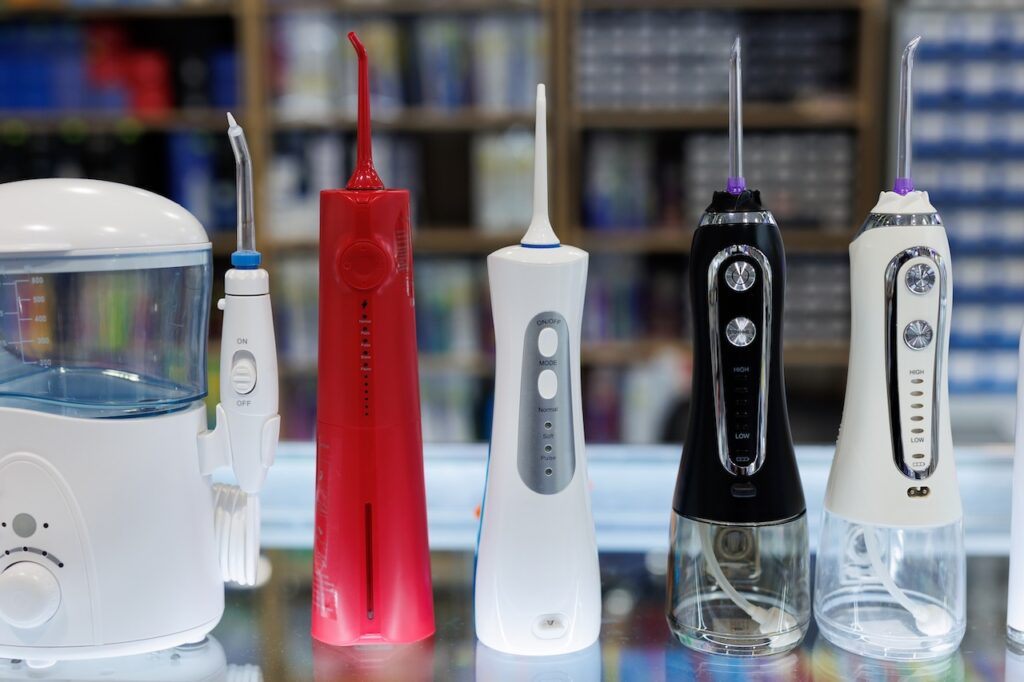
Water flossers, or oral irrigators, use a pressurized stream of water to clean between teeth and along the gumline. They offer a modern alternative to traditional flossing with unique advantages, including:
- Easy to Use: Operating a water flosser requires little manual effort, making it suitable for individuals with arthritis or limited dexterity.
- Suitable for Dental Work: Water flossers are gentler on braces, crowns, and implants, offering an effective way to maintain oral hygiene for those with specialized dental needs.
- Gentle on Gums: The water stream massages the gums, promoting blood circulation and reducing the risk of gum damage.
The Drawbacks of Water Flossers
Despite their benefits, water flossers have some limitations you should consider:
- Higher Cost: Compared to traditional floss, water flossers are significantly more expensive and require an initial investment.
- Bulkier to Store: These devices take up counter space and often need to be plugged into an outlet, making them less portable.
- Less Scraping Power: While effective at flushing out debris, water flossers may not remove sticky plaque as effectively as traditional floss.
Which Is Better for You?
The debate between traditional flossing and water flossing ultimately depends on your personal preferences and dental needs. If you’re looking for a cost-effective, tried-and-true method that delivers precise results, traditional flossing might be your best bet. However, if you have dental work, sensitive gums, or a dislike for manual flossing, a water flosser could make your oral hygiene routine easier and more enjoyable.
Dentists often recommend using both methods in tandem for the best results. Traditional flossing can help remove plaque buildup, while a water flosser can flush out debris and food particles to ensure a comprehensive cleaning.
Final Thoughts on Oral Hygiene
Both traditional flossing and water flossers have unique benefits to offer, making them excellent tools for maintaining dental health. Whichever method you choose, consistency is key. Remember to floss (or water floss!) regularly alongside brushing and routine dental checkups to keep your smile healthy and beautiful for years to come.