
Your FYP Is Not a Therapist. What Happens After You Find Yourself in a Mental Health Video?
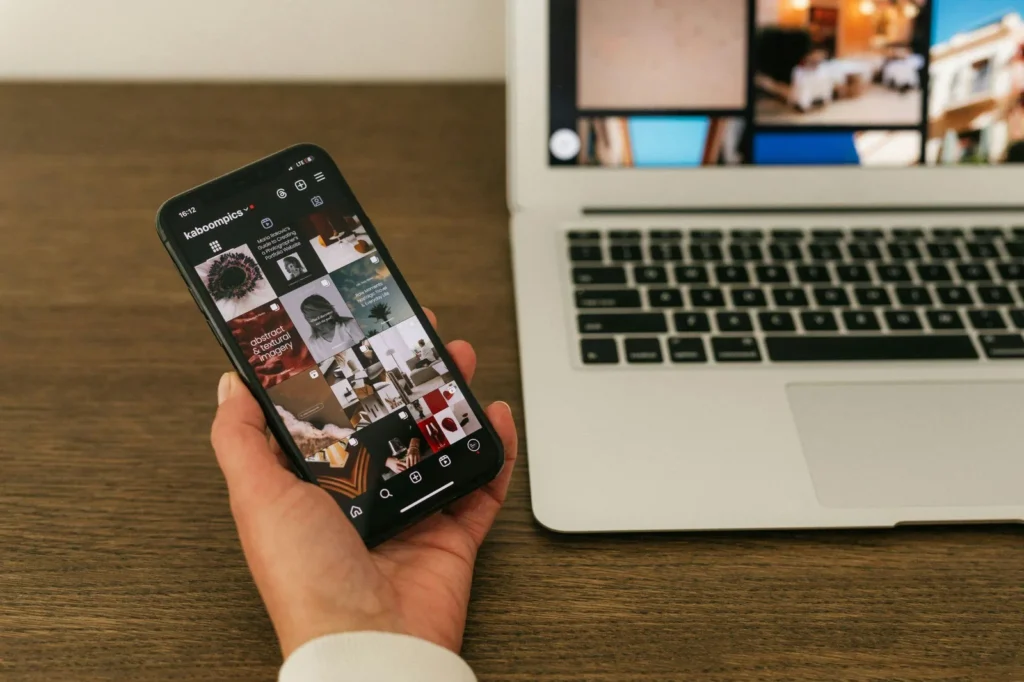
Photo: Karolina Grabowska
You watch one video about ADHD. Then another.
Suddenly, the algorithm seems to know you better than most people in your life. Difficulty concentrating? Check. Procrastination? Definitely. Feeling overwhelmed by basic tasks? Constantly. Social situations draining you? Absolutely.
Before long, you may have a diagnosis, or at least a pretty convincing theory about one.
There is a reason mental health content has become such a powerful part of online culture. For young adults trying to understand experiences they have struggled to put into words, seeing someone describe those experiences can be validating. It can reduce stigma, introduce useful terminology and even encourage someone to seek professional help.
But there is a difference between recognizing yourself in a video and actually understanding what is happening.
And there is an even bigger difference between understanding what is happening and knowing how to change it.
The Internet Can Give You the Language
Mental health information online isn’t automatically a bad thing.
Pete Myers, Psy.D., Director of Group and Therapeutic Community Services at Yellowbrick, says clinicians have seen benefits from emerging adults using digital devices to seek information about mental health and developmental challenges.
Those benefits include greater awareness, more mental health vocabulary, reduced stigma, increased self-advocacy and connection with other people experiencing similar struggles.
For someone who has spent years thinking “Why am I like this?”, finding language for an experience can be a huge first step.
The problem starts when the language becomes the diagnosis.
Relatable Doesn’t Always Mean Accurate
One of the biggest problems with social-media mental health content is that many different conditions can look similar from the outside.
Difficulty concentrating can be associated with ADHD. It can also happen with depression, anxiety, trauma, substance use, sleep deprivation or major changes in someone’s environment.
Feeling socially uncomfortable can happen for many reasons. So can procrastination, fatigue, emotional dysregulation and feeling overwhelmed.
“Familiarity with what is being shown is not the same as a rigorous differential diagnosis,” Myers says. In other words: relating to a video doesn’t tell you why you’re experiencing something.
That doesn’t mean you should ignore what you see online. It means you can use it as a starting point rather than a final answer.
Knowing Your Diagnosis Isn’t the Same as Getting Better
This is where things get more complicated. Let’s say you do receive an accurate diagnosis. That can be incredibly useful. It can help explain patterns, point toward treatment and replace self blame with understanding.
But a label doesn’t automatically teach you how to handle a difficult relationship, regulate an overwhelming emotion or get yourself started on a task you’ve been avoiding for weeks.
“Knowing the diagnostic label can be helpful when it’s accurate; however, it is only the beginning of a process toward recovery,” Myers says. “It is not recovery itself.”
That distinction can be easy to miss in an internet culture built around quick answers.
A three-minute video can explain executive dysfunction. A carousel can explain attachment styles. A creator can give you 10 signs of burnout before you’ve finished your coffee. Actual change takes longer.
You Can’t Scroll Your Way Through Discomfort
According to Myers, recovery involves things that are considerably less satisfying than finding the perfect explanation for yourself.
It can mean learning to tolerate frustration. Understanding relationship patterns. Practicing new behaviors. Experiencing conflict and figuring out how to repair it. Developing a sense of agency and purpose.
None of those things can be mastered simply by collecting more information. “In clinical practice, young people can become very sophisticated in describing themselves psychologically while still struggling to translate that understanding into action,” Myers says.
That might be one of the strangest contradictions of the mental-health-content era: you can become incredibly good at explaining yourself while still not knowing what to do when life gets difficult.
Real Life Is Messier Than the Comment Section
Online communities can offer connections, especially to people who feel isolated. But online interaction also gives us an unusual amount of control.
You can edit a message. Wait before answering. Mute someone. Block someone. Leave the conversation. Scroll past disagreement.
Those choices aren’t inherently unhealthy. Sometimes boundaries are exactly what someone needs. But Myers says that if disengagement becomes a young person’s primary way of handling interpersonal difficulty, it can make accountability, disagreement and relationship repair harder.
Real relationships are unpredictable. Someone might misunderstand you. You might hurt someone’s feelings. You might feel embarrassed. You might disagree.
And then you have to figure out what happens next. That’s part of emotional development too.
So What Is the Internet Actually Good For?
The answer isn’t deleting every mental health app and throwing your phone across the room.
Digital tools can be genuinely useful. They can help someone recognize that they may need support. They can make information accessible. They can connect people with communities they wouldn’t otherwise find.
They can also support things like journaling, mindfulness, sleep tracking and executive functioning.
The better question isn’t Are screens good or bad? It’s: What are they helping you do, and what are they replacing?
If a video about ADHD encourages you to finally make an appointment with a professional, that’s different from spending hours watching increasingly specific videos while becoming more convinced that you already know exactly what’s wrong.
If an online community helps you feel less alone and gives you the confidence to reconnect with people offline, that’s different from using the internet as a replacement for every difficult real-world interaction.
Technology isn’t the whole story. What matters is what happens to your life outside the screen.
The Part No Algorithm Can Do For You
Myers puts the distinction simply: “Social media can help someone understand why their life is so difficult, but it cannot join them on their journey to discover and build what they can do next.”
That’s the part an algorithm can’t provide. It can’t sit with you through an uncomfortable conversation. It can’t help you repair a friendship after an argument. It can’t teach you what happens when you stay present through frustration instead of immediately escaping it. And it can’t develop your capacity for relationships simply by giving you more information about relationships.
For young adults, mental-health content can be a doorway. It just isn’t the whole house.
Related reading: How to Check In on Someone You’re Worried About.