
Practical Ways to Refresh a Living Room for Everyday Comfort
Most households spend the majority of their shared downtime in the living room, yet over time the space can begin to feel cluttered, disorganized, or simply tired. Daily routines leave behind loose reading materials, misplaced mail, and cushions that have lost their shape. When a room feels chaotic, relaxing at the end of a busy day becomes harder than it should be.
Refreshing your main gathering area does not require gutting walls, hiring expensive contractors, or replacing every piece of furniture you own. With thoughtful adjustments to physical pathways, simple home repairs, and deliberate decor choices, you can restore a sense of calm and order. Taking a steady approach allows you to address what is broken or awkward before adding decorative touches that make the room feel inviting.
Evaluating Traffic and Furniture Flow
Before moving heavy pieces across the floor, take a few minutes to observe how people walk through the space. In many homes, sofas and tables are placed directly in the main walkway, forcing family members to squeeze past sharp corners or dodge footstools. A comfortable living room needs clear routes between entry doorways, patio exits, and adjoining hallways.
Try pulling seating slightly inward to create a distinct conversation zone rather than spreading chairs along the perimeter walls. Arranging a sofa and two armchairs around a central point encourages conversation and makes the room feel warmer. Make sure low tables sit close enough to set down a drink comfortably while leaving enough room to walk past without turning sideways.
Consider the needs of everyone who shares the space, including young children, older relatives, or pets. Low furniture with sharp edges can present stumbling hazards in narrow pathways, while lightweight throw rugs without nonslip backings slide easily on hard floors. Ensuring that every path is open and stable makes the room safer and much easier to navigate throughout the day.
Tackling Practical Fixes and Maintenance
Decorative updates often fall flat if underlying maintenance problems remain unaddressed. A draft coming from an older baseboard, a window that sticks inside its frame, or a wobbly side table will continue to cause irritation no matter how many pleasant accents you place nearby. Dedicating time to basic structural tune-ups creates a solid baseline for the entire room.
Begin by inspecting architectural trim, electrical faceplates, and window hardware. Tighten loose screws on cabinet hinges, touch up scuffed paint along door frames, and replace cracked switch plates with clean, durable covers. When looking for step-by-step guidance on structural improvements, draft prevention, and general household upkeep, reading practical advice on betterhomeguide.com can help you identify sensible solutions for common household repairs.
Air quality and temperature regulation are equally essential to physical comfort. Clean out floor registers, wipe dust buildup from ceiling fan blades, and wash window screens that block fresh outdoor breezes. Replacing clogged furnace filters and ensuring window seals sit flush against the frame keeps rooms temperate through shifting weather, creating a far more welcoming atmosphere for quiet evenings.
Layering Textures and Aesthetic Details
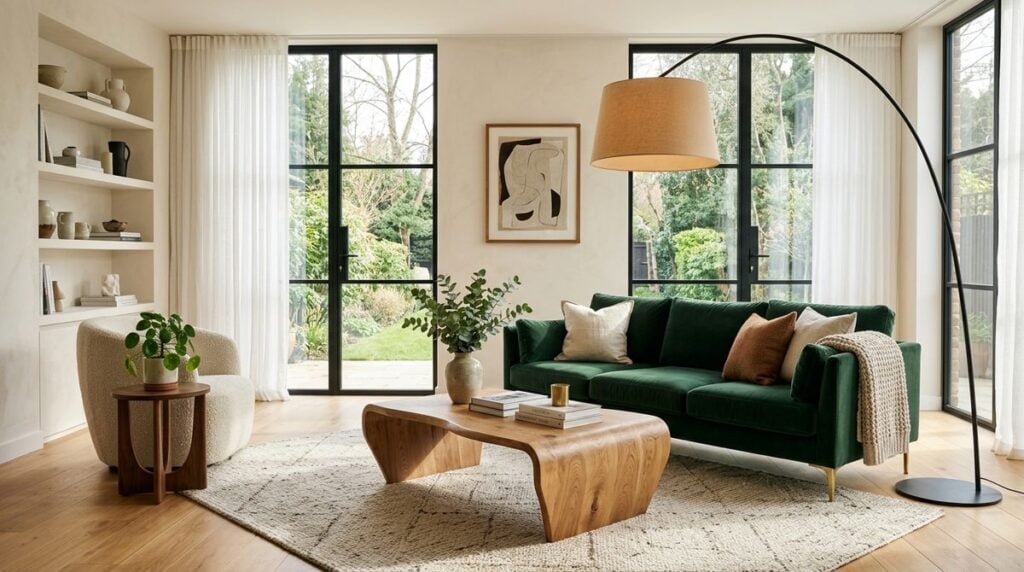
Once the practical mechanics of the room are sound, you can turn your attention to visual warmth and comfort. Rooms that feel cold or sterile often suffer from an overabundance of hard, flat surfaces. Balancing wood, glass, and metal with tactile fabrics softens echoes and creates an atmosphere that invites rest after a demanding schedule.
Introduce varied textures through washable slipcovers, woven wool throws, and linen drapery panels. Curtains hung high and wide relative to the window frame draw the eye upward and soften incoming daylight during bright afternoons. For inspiration on balancing color palettes, choosing complementary lighting fixtures, and arranging decorative accents, exploring the room concepts at nghomedecor.com can give you practical ideas for personalizing your space without creating clutter.
Stick to a cohesive set of tones drawn from nature or your favorite existing artwork. A neutral foundation on walls and larger upholstery pieces gives you freedom to introduce subtle color through accent pillows, ceramic bowls, or textured lamp bases. Rotating these smaller items every few months keeps the environment feeling fresh without requiring substantial spending.
Organizing Surfaces and Protecting Cherished Pieces
Flat surfaces act like magnets for household clutter. Coffee tables, mantle tops, and side consoles quickly gather stray paperwork, charging cords, and miscellaneous items that lack a permanent home. Establishing strict boundaries for what belongs on display helps maintain visual clarity and makes weekly cleaning much faster.
Use a straightforward surface editing routine to keep tabletop displays intentional:
- Group small decorative objects on a tray to keep them visually unified.
- Rotate seasonal decorations into closet storage rather than keeping everything out.
- Leave at least half of every coffee table or side table open for daily use.
- Place charging cables and remote controls inside a shallow lidded basket.
Displaying sentimental items brings character to a living room, but delicate heirlooms require sensible placement to avoid accidental breakage. Avoid setting glass vases, framed portraits, or handmade ceramics on rickety pedestals or near doorway drafts. Much like the principles outlined in our guide to packing fragile gifts for visiting relatives, safeguarding cherished household items comes down to secure cushioning, proper clearance, and steady positioning away from chaotic foot traffic.
Establishing Zones for Quiet Rest and Shared Activity
A living room often has to serve multiple functions, particularly in smaller residences where separate dens or home offices are not an option. Defining specific micro-zones within a single room prevents different activities from interfering with one another. A comfortable armchair positioned near a window with a dedicated reading lamp forms an inviting nook separate from the central seating area.
Lighting plays a crucial role in dividing these zones. Relying solely on a bright overhead ceiling fixture can make a living room feel sterile and harsh. Instead, arrange light sources at varying heights across the room. Combine warm floor lamps near reading chairs, soft table lamps on side consoles, and dimmable accent lights to allow the mood of the room to shift effortlessly between daytime chores and quiet evening rest.
Giving your living room a renewed sense of purpose does not require an immediate, exhausting overhaul. When you break the process into manageable steps—focusing first on movement and maintenance, then on lighting, textures, and thoughtful organization—you create a living environment that supports your household routines.
A truly comfortable living space is never static; it adapts to the people who inhabit it. By making gradual, practical updates and keeping functional comfort at the center of your choices, you will build a welcoming room where family and visitors alike can genuinely feel at ease.