
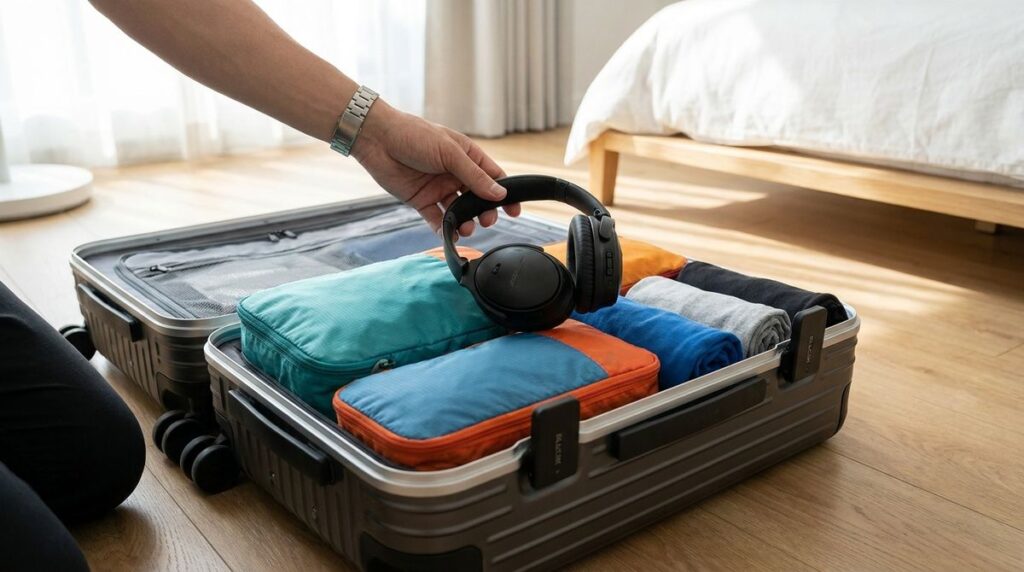
Packing a Layover Kit for Airport Delays
A delayed flight can turn a calm trip into a long wait in a crowded terminal. Travelers who arrive with a plan tend to handle the disruption with more patience and less stress. A small layover kit fits neatly into a carry-on and covers the most common needs.
This article explains what to pack for a delay, from chargers and documents to clothing layers and snacks. The advice is general travel information, and each traveler should check the rules of the airline and the airport before departure. Packing lists work best when they are short and tested on a single practice trip.
Essentials for a Delayed Flight
Start with a few items that keep you comfortable for several hours, such as a refillable bottle, a light sweater and a small notebook. Readers may also want to visit BusinessPhrases. Keep the list short so the bag stays easy to lift and carry through the terminal. A bag that feels light at the desk will feel lighter still when a flight is pushed back.
Add a travel pillow only if you find that it fits without crowding the bag. Some travelers prefer an eye mask and earplugs for rest near noisy gates. Choose items you already own rather than buying new ones just before the trip. Test each item at home for a day or two so you know how it feels in real use.
Chargers and Adapters
A dead phone can make a delay far more stressful than it needs to be. You can also visit Startup Cradles for more reading. Store the cable in a labeled pouch so it does not tangle with other items.
Check the battery rules for portable chargers before packing, since airlines may limit where those devices can be carried. Keep the charger in the carry-on rather than the checked bag. Label the charger with a small tag so it is easy to identify in a crowded seat area. A printed copy of the flight details can act as a backup if the phone runs out of power. Keep that copy in the pouch with your documents so it is never separated from them.
Clothing Layers in a Carry-On
Airport temperatures can change sharply between the security line and the gate, so layers are the simplest answer. For a related read on this site, see Backing Up a Family Photo Library to a. Roll each layer tightly so the bag keeps its shape during the journey.
Wear shoes that are easy to remove at security and comfortable enough for long walks. Carry a pair of socks in the bag in case the floor feels cold near the gate. A change of shirt can also refresh the mood after a long delay on the runway. Pack the change in a sealed bag so it stays dry if a drink spills in the carry-on.
Documents in One Pouch
Keep passports, tickets, identification and any travel insurance details in one clear pouch. Make a copy of the important pages and store it separately from the originals. A single organized pouch reduces the risk of misplacing something in a busy terminal.
Check the expiry dates on all documents before leaving home, and note any entry requirements for the destination. Keep the pouch in the same pocket every time so you always know where it is. Quick access matters most during a rebooking queue, when every minute counts. Keep a pen in the pouch as well, since some counters still ask for handwritten details.
Keeping Liquids Within Limits
Liquids carried through security must meet the size rules for the airport you are using. Pack a small bottle of water and buy the rest after screening. A clear bag for liquids keeps the process quick at the checkpoint and makes the inspection simpler for the officer. Place the bag at the top of the carry-on so it is easy to reach.
Choose travel size containers for lotions and toothpaste so they fit inside the limit. Seal each bottle inside a plastic bag to prevent leaks against clothing. Good preparation keeps the screening line moving and the bag tidy for the rest of the trip. A quick review of the list before each leg of the journey keeps the routine sharp.
Rechecking the Bag Before Boarding
Before leaving home, lay out every item and check it against the list. Repack the bag once the trip is complete so the next layover kit is ready to go. Store the empty pouch in the bag so no document is forgotten during the next packing session. A short routine keeps delays manageable and the journey far more relaxed.