
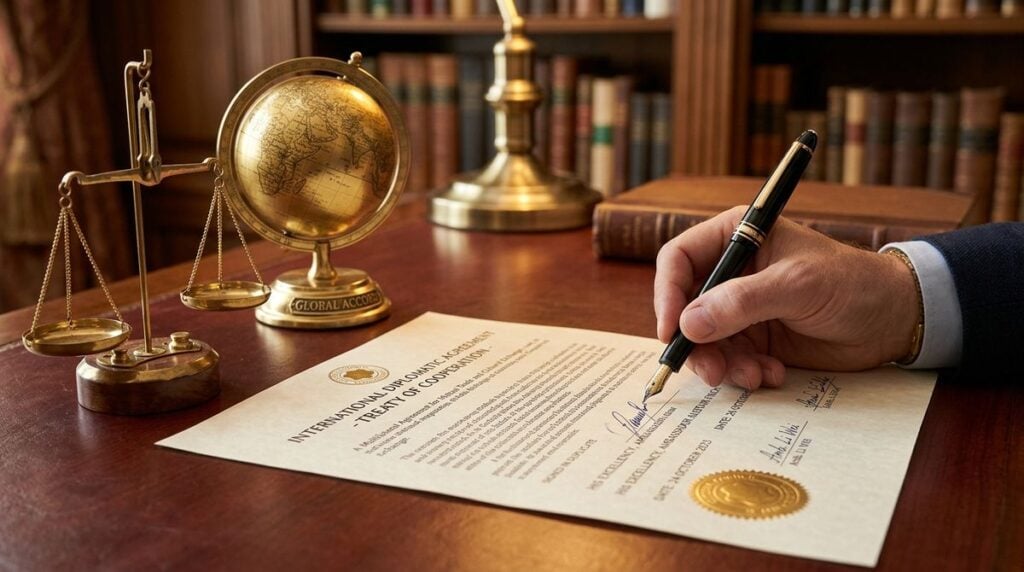
Checks to Work Through Before Signing a Property Services Contract
A real estate client may offer your business a steady run of upkeep work across several buildings, and that kind of contract can look too good to pass up. Before you accept it, you face one decision: whether the work fits your crew, your margins and the standards you want your name attached to. The six checks below walk you through that decision one step at a time. Working through them in order lets you say yes or no based on facts rather than enthusiasm.
Confirm Who Actually Owns the Property
Start by identifying the legal owner of every building named in the agreement. A contract signed by a property manager, a relative or a company agent may not bind the people who actually hold title, and that gap can leave your invoices unpaid when a disagreement arises. Ask for a copy of the ownership record or a written letter of authority, then file it alongside the contract. Readers may also want to visit 10speakers. Any document with real legal weight should still be reviewed by a qualified local adviser before you rely on it, and it is wise to ask that adviser before the first visit rather than after a dispute begins.
Map the Exact Scope of Work
Write down every task the client expects, from grass cutting and gutter clearing to small repairs and turnover cleaning. Vague wording such as general upkeep invites arguments later, when one owner expects fresh paint and your team agreed only to touch ups. List each task, how often it happens and which building it covers. Then state what is excluded, so both sides understand where your responsibility stops. You can also visit Microphone Authority for more reading. A scope sheet also gives your crew leader a clear reference when a request arrives by text message on a busy afternoon.
Agree on Access and Key Handling
Your crew will enter occupied homes, vacant units and shared spaces, and each situation carries different risks. Decide who holds keys, how they are signed out and returned, and what happens if a tenant changes a lock. Clarify whether your staff may enter without notice during an emergency such as a burst pipe. A simple visit log that records the time, the reason and the person who entered protects your workers and gives the client a clear record. For a related read on this site, see Tutoring Business Myths About Discounts and Why Families.
Check Your Insurance Coverage
Property work exposes a service business to damage claims, injuries and accidental harm to fixtures or finishes. Ask your insurance provider whether the planned work falls inside your current policy, and whether the building owner’s policy might also apply to your crew on site. Some contracts ask you to name the client as an additional insured, and that wording deserves a careful read before anyone starts. Insurance terms vary widely, so a written confirmation from your provider is worth far more than a verbal assurance over the phone. A coverage gap found on paper costs far less than one discovered after a ceiling leak or a fall on a wet staircase.
Set Payment Terms in Writing
Decide how often you will invoice, how long the client has to pay and what happens when a balance runs late. Property owners sometimes set payment schedules that suit their own cash flow rather than yours, so the timing deserves attention before you sign. Include a deposit for new jobs, a clear approval step for extra work and a defined process for handling disputed invoices. When every term appears in writing, a late payment becomes a routine follow up rather than a personal disagreement. Keep copies of every approval, because memory tends to drift when a project runs for many months and several people have touched the file.
Plan for Ending the Contract
Every service agreement should explain how either side can leave it. Ask for a reasonable notice period, define what happens to unfinished work and state how keys and equipment will be returned. Think also about what happens if a property is sold, because a new owner may not want your services at all. An exit clause is not a sign of distrust, since it gives both parties a fair route out. It also protects your business from being locked into terms that stopped making sense long ago, and that protection is worth a few minutes of careful drafting.
Deciding With the Full List
Once you have worked through all six checks, the decision becomes much clearer. If the owner is confirmed, the scope is written, access is defined, insurance is in place, payment terms are recorded and an exit route exists, you can accept with confidence. If any single check remains open, pause and close it before anyone signs. A careful contract is the foundation for consistent work, and consistent work is what keeps property clients coming back year after year.