
How Teeth Whitening Works: What You Should Know
A bright, white smile is often associated with health, confidence, and youthfulness. Teeth whitening has become one of the most sought-after cosmetic dental procedures globally, thanks to its ability to improve one’s appearance almost instantly. But how does teeth whitening work, and is it right for you? Let’s explore everything you need to know about teeth whitening to make an informed decision.
How Does Teeth Whitening Work?
Teeth whitening involves lightening the color of your teeth by removing stains and discoloration. This can be achieved through a variety of methods, ranging from professional in-office treatments to over-the-counter products. Here’s a breakdown of how the process works:
1. The Role of Stains
-
- Extrinsic Stains: These are surface stains caused by external factors such as cigarettes, wine, coffee, tea, and certain foods.
- Intrinsic Stains: Found beneath the tooth’s enamel, these stains are often caused by aging, trauma, certain medications, or excessive fluoride consumption.
Teeth whitening primarily targets these stains, with some methods being more effective on extrinsic stains and others capable of addressing intrinsic discoloration.
2. Whitening Agents
Most teeth whitening products use active ingredients like hydrogen peroxide or carbamide peroxide. These bleaching agents penetrate the tooth enamel, breaking down the discolored molecules into smaller pieces, which lightens the tooth’s appearance.
3. Light-Activated Whitening
Professional whitening treatments often use UV or LED light to accelerate the whitening process. These lights activate the active bleaching agents, helping them work faster and deliver noticeable results.
Popular Teeth Whitening Options
There’s no one-size-fits-all approach to teeth whitening. From professional sessions to DIY solutions, here are the main methods available:
1. In-Office Professional Whitening
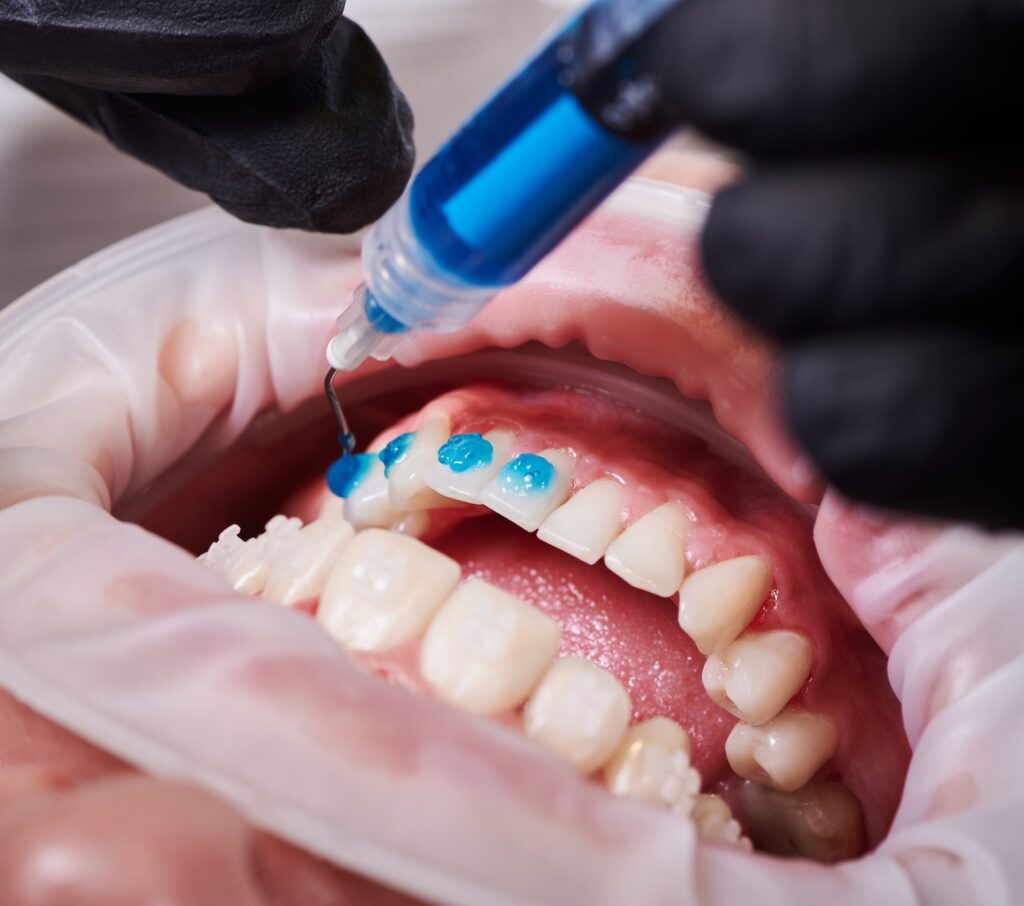
Conducted by a dentist, this method provides the quickest and most effective results. During the procedure, a high concentration of bleaching gel is applied to the teeth and activated with a special light.
Pros:
-
- Immediate results
- Supervised by a professional for safety
- Effective for removing tough stains
Cons:
-
- More expensive compared to other methods
- Some individuals may experience sensitivity post-treatment
2. At-Home Whitening Kits
Dentist-prescribed take-home kits often involve custom-fitted trays and professional-grade gels. These kits allow you to whiten your teeth at your own pace.
Pros:
-
- Cost-effective compared to in-office treatments
- Convenient for use at home
Cons:
-
- Results take longer to achieve compared to in-office whitening
- Requires consistency to see noticeable changes
3. Over-the-Counter Products
Whitening strips, toothpaste, and gels are widely available for budget-friendly options. These products generally contain a lower concentration of bleaching agents.
Pros:
-
- Affordable and accessible
- Easy to use
Cons:
-
- Less potent than professional treatments
- May not address intrinsic stains effectively
Is Teeth Whitening Suitable for You?
While teeth whitening can provide remarkable results, it’s not suitable for everyone. It’s important to consider the following factors before starting treatment:
- Oral Health: Teeth whitening is not recommended for individuals with gum disease, tooth decay, or exposed roots.
- Pregnancy or Breastfeeding: Whitening products have not been extensively tested on individuals in these categories; it’s best to wait.
- Dental Restorations: Crowns, veneers, and fillings won’t respond to whitening agents, which might lead to uneven results.
- Lifestyle Habits: Smoking, frequent consumption of staining foods and drinks, or inadequate oral hygiene can reduce the longevity of whitening effects.
Always consult your dentist to determine the best whitening option for your specific needs.
Keeping Your Smile Bright Post-Whitening
The key to maintaining your newly brightened smile is to follow good oral care practices:
- Brush and floss regularly to prevent new stains from forming.
- Limit your intake of staining beverages like coffee, tea, or red wine.
- Don’t forget to visit your dentist for routine cleanings and whitening touch-ups when needed.
Whitening products may improve the esthetics of your smile, but lasting oral health begins with a strong foundation of proper dental care.
In Conclusion
Teeth whitening is a simple yet impactful way to enhance your smile’s appearance and boost your confidence. By understanding how the various methods work and consulting with a dental professional, you can select the ideal whitening treatment for your goals and lifestyle. No matter the option you choose, maintaining good oral hygiene is the secret to ensuring your smile stays radiant for years to come.