
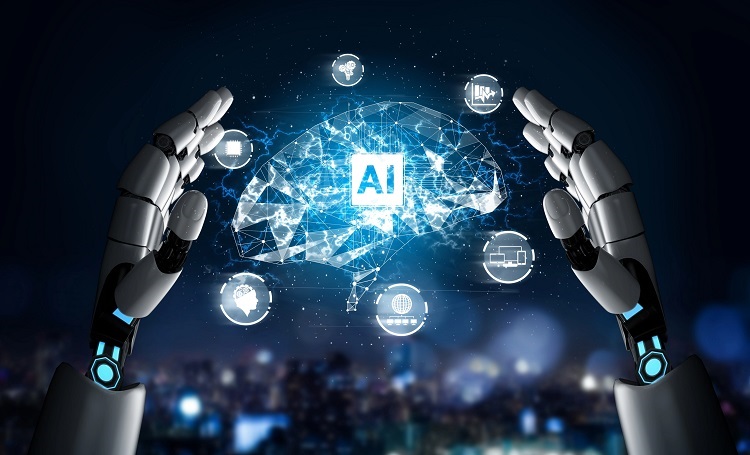
Exploring the Connection Between Artificial Intelligence and Robotics
Artificial intelligence and robotics are shaping the future in ways once imagined only in science fiction. Many people today want to understand how these two fields interact, what benefits they bring, and how they continue to evolve together.
This blog explores their strong connection, showing how AI empowers robots with decision-making abilities, learning skills, and adaptability, while robotics provides AI with a physical platform to apply its intelligence in the real world.
Defining Artificial Intelligence and Robotics
Artificial intelligence refers to computer systems designed to perform tasks that require human-like intelligence. These tasks include problem-solving, language processing, pattern recognition, and decision-making.
Robotics, on the other hand, involves creating machines capable of carrying out physical actions, often with high precision and consistency. The synergy between the two becomes powerful when robots use AI to make choices in dynamic and unpredictable environments.
How AI Enhances Robotics
Robots traditionally followed pre-programmed instructions, which limited their flexibility. With AI, robots no longer depend solely on rigid programming. Instead, they can analyze data, detect changes, and adapt their responses.
AI-powered robots can learn from past experiences, which improves their efficiency over time. It allows robots to move beyond repetitive tasks and handle more complex roles, from autonomous vehicles to medical assistance.
Machine Learning as a Key Driver
Machine learning, a branch of AI, plays a vital role in robotics. Through algorithms, robots can learn patterns and behaviors without being explicitly programmed for every action.
For instance, a cleaning robot can map a home, identify obstacles, and create optimized paths for future tasks. As more data is processed, performance improves, creating systems that grow smarter with time.
Human-Robot Collaboration
Another crucial area where AI and robotics converge is human-robot collaboration. In workplaces, robots are not replacing humans entirely but working alongside them. AI-driven robots can support workers by handling repetitive, dangerous, or heavy tasks.
It allows people to focus on decision-making, creativity, and problem-solving, while robots manage efficiency and precision. The partnership highlights how AI and robotics are not about competition but complementing human potential.
Real-World Applications
AI and robotics together are impacting multiple industries. In healthcare, surgical robots guided by AI assist doctors with delicate operations. In agriculture, robots analyze soil conditions and automate planting and harvesting.
Factories use robotic arms to assemble products with accuracy, while AI ensures quality control. Even in households, AI-enabled robots provide convenience, whether through vacuuming floors or assisting elderly individuals with daily activities.
Challenges in Integration
While the integration of AI and robotics has transformed industries, it also presents challenges. Training robots with AI requires significant data, computing power, and advanced sensors. High costs often limit adoption, especially for smaller businesses.
Moreover, safety and ethical concerns arise when robots operate in human environments. Addressing these challenges demands thoughtful planning, regulation, and responsible innovation.
The Future of AI and Robotics
Looking ahead, the future holds exciting possibilities. Robots will likely become more autonomous, capable of making independent decisions in complex situations. AI advances such as natural language processing will allow robots to communicate more effectively with humans.
The vision includes smart cities where robots assist with logistics, healthcare, and environmental sustainability. Sources likeCircuit Dairy are already exploring how AI-driven technologies can be applied across industries, offering insights into smarter automation and innovation.
Ethical and Social Considerations
As AI-powered robots take on larger roles in society, ethical questions must be addressed. Concerns about job displacement, privacy, and decision-making responsibilities remain central.
Developers and policymakers need to balance progress with accountability, ensuring that robots serve humanity’s best interests. Encouraging transparency and ethical standards can build public trust in these technologies.
Conclusion
The connection between artificial intelligence and robotics demonstrates how technology can extend human capabilities and transform daily life. AI gives robots the ability to think, adapt, and improve, while robotics provides the body that turns ideas into actions.
Together, they are driving innovation across healthcare, industry, and homes. The journey ahead will bring both opportunities and challenges, but with responsible development, the partnership between AI and robotics will continue to define the future of human progress.