
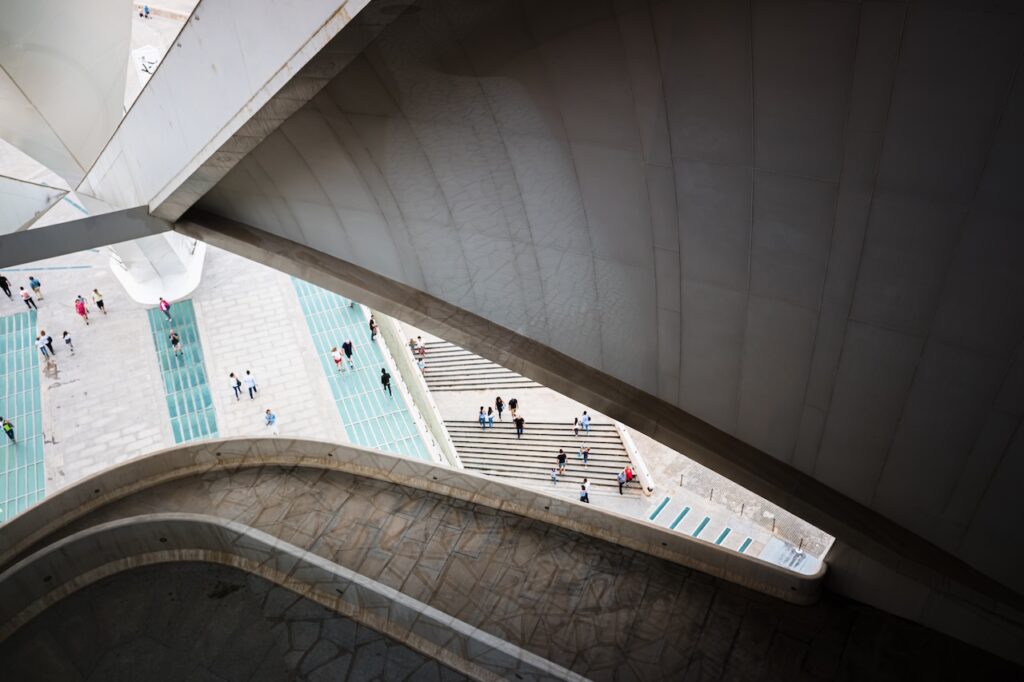
7 Materials That Shape Modern Buildings
Modern buildings reflect humanity’s ingenuity, merging function and form with cutting-edge materials. These materials not only define the aesthetics of structures but also influence their longevity, energy efficiency, and resilience. Below, we explore seven essential materials driving innovation in modern architecture.
1. Concrete: The Foundation of Modern Architecture
Concrete is undoubtedly the backbone of contemporary construction. Known for its durability, versatility, and strength, it is used in everything from towering skyscrapers to intricate architectural designs. Techniques like concrete cast allow architects to create custom shapes and textures, breathing life into innovative designs. Additionally, advancements in sustainable concrete technology are making it an environmentally-friendly choice.
2. Steel: Strength and Flexibility in One Package
Steel has revolutionized modern construction, offering unparalleled strength and flexibility. Architects favor steel for its ability to form slender, yet stable, structures. It supports remarkable feats of engineering, such as high-rise buildings or expansive bridges, while allowing for bold, minimalist designs. Moreover, its recyclability adds to its appeal as a sustainable material.
3. Glass: Transparency and Elegance
Modern buildings increasingly feature glass due to its ability to create open, light-filled spaces. High-performance glass now incorporates advanced coatings for energy efficiency, reducing heat loss or gain while maximizing natural light. Designs that integrate large expanses of glass offer a seamless connection between indoor and outdoor spaces, reflecting the evolving priorities of modern living.
4. Timber: Old Material, New Life
Timber, one of humanity’s oldest building materials, is experiencing a renaissance. Engineered wood products like cross-laminated timber (CLT) are reshaping construction practices by combining sustainability with innovation. Timber structures are celebrated for their warmth, beauty, and reduced carbon footprint — traits that make it a popular choice in green architecture.
5. Brick: Timeless and Adaptable
Despite its ancient roots, brick remains a favored material for modern construction. Its thermal efficiency, timeless appeal, and wide range of colors and finishes make it a versatile choice. Architects often use brick to add texture and depth to urban façades while appreciating its low-maintenance qualities. The material is also a popular choice for restoration and adaptive reuse projects, where the goal is to preserve or repurpose existing structures.
6. Aluminum: Lightweight Yet Durable
Aluminum’s remarkable properties make it a key element in contemporary architecture. It’s lightweight, corrosion-resistant, and malleable enough to form complex shapes. Frequently used in windows, façades, and roofing, aluminum’s endless recyclability strengthens its position as an eco-conscious material for innovative designs.
7. Composite Materials: Custom Solutions for Unique Challenges
Composite materials like fiber-reinforced polymers (FRPs) are tailored for specific uses, offering new possibilities in construction. They are lightweight, strong, and resistant to corrosion, making them ideal for challenging environments. Composites provide architects with freedom to explore experimental and futuristic designs that were previously unimaginable.
Conclusion
The evolution of building materials has opened a new chapter in architecture, pushing the boundaries of aesthetics, function, and sustainability. From the robustness of concrete to the elegance of glass and cutting-edge composites, every material holds the potential to transform our built environment. By understanding these materials and their properties, architects can continue to shape the future of modern buildings while meeting the challenges of the 21st century head-on.