
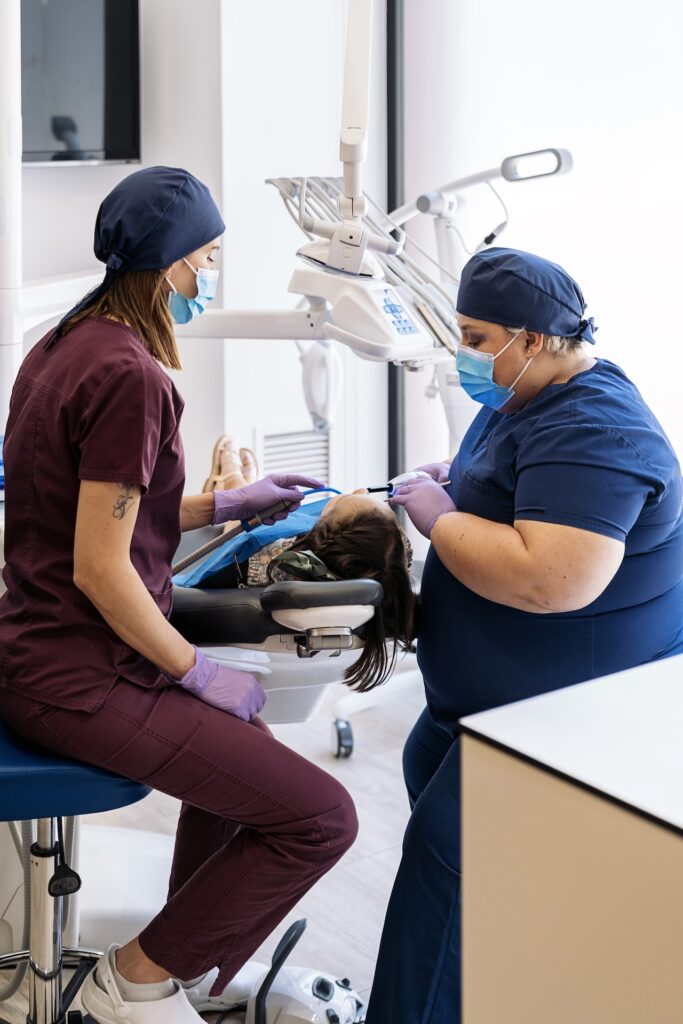
How to Keep Your Dental Staff and Patient Data Safe
In an era where patient privacy and data security are more important than ever, dental practices must prioritize safeguarding sensitive information. From patient records to staff data, any breach can lead to a loss of trust, legal consequences, and financial repercussions. Here, we’ll explore actionable steps to protect your dental staff and patient data, focusing on practical strategies to implement in your practice.
1. Conduct Regular Risk Assessments
One of the first steps to secure your practice is by performing a dental practice risk assessment. This involves identifying vulnerabilities in your workflows, software systems, and physical infrastructure. Evaluate risks from different angles:
- IT systems: Check for outdated software or weak network protection.
- Physical security: Ensure areas with sensitive information are secured.
- Staff training gaps: Determine if your team is well-versed in HIPAA and cybersecurity protocols.
By pinpointing potential weaknesses, you can take preemptive measures to address them before they become issues.
2. Invest in Secure Technology and Software
Hardware and software play a pivotal role in securing patient and staff data. Make sure your dental practice uses up-to-date technology with built-in encryption and cybersecurity features. Consider these points:
- Practice Management Systems (PMS): Opt for systems with comprehensive security features such as audit trails and data encryption.
- Firewalls and antivirus programs: Install robust, regularly updated programs to shield your network from malware and breaches.
- Data backups: Regularly back up all critical information to a secure, off-site location or cloud system.
Investing in reliable systems not only protects sensitive data but also enhances operational efficiency within your practice.
3. Limit Access to Sensitive Information
Not everyone in your dental office needs access to all types of data. Implement role-based access controls (RBAC) to limit who can view or modify sensitive information. Key actions include:
- Restricting administrative access to select team members.
- Ensuring patient records are only accessible to relevant staff members.
- Monitoring access patterns to detect any unusual activity.
This fosters accountability while reducing the risk of accidental data misuse or intentional breaches.
4. Implement Comprehensive Staff Training
Employees play a significant role in maintaining data security. Regularly educating your team on how to identify and respond to security threats is crucial. Focus areas include:
- Phishing awareness: Teach staff how to recognize and avoid suspicious emails.
- HIPAA compliance: Ensure everyone understands the privacy and security standards required for patient data.
- Emergency response protocols: Establish clear procedures in case of a suspected data breach.
A well-trained team is one of the strongest defenses against data breaches and other cybersecurity threats.
5. Develop a Robust Data Breach Response Plan
Even with the best preventative measures, no system is immune to breaches. Prepare for the unexpected by drafting a response plan that includes:
- Immediate actions to mitigate further damage.
- Notifying impacted patients and staff promptly.
- Coordinating with cybersecurity experts to assess and address the breach.
By having a clear plan in place, your practice can minimize the chaos and long-term damage of a security incident.
Conclusion
The safety of dental staff and patient data is a responsibility that should never be taken lightly. Using strategies like risk assessments, secure technologies, controlled access, staff training, and breach response plans can create a robust security framework for your dental practice. By prioritizing these measures, you ensure your practice remains compliant, efficient, and, most importantly, trustworthy in the eyes of your patients and staff alike.
Protecting data isn’t just about compliance—it’s about maintaining the trust and reputation that your practice has worked so hard to build.