
What to Do If Your Toilet Overflows: A Step-by-Step Guide
An overflowing toilet can turn a regular day into a stressful ordeal. While it’s a scenario no one wants to face, staying calm and knowing how to handle the situation can save you from further distress and expensive repairs. Whether it’s caused by a clog, a malfunction, or something more complex, understanding the steps to manage an overflowing toilet is essential. In this guide, we’ll explain the steps to address the problem, minimize damage, and determine when to call for commercial services.
Step 1: Turn Off the Water Supply
The first and most crucial step when your toilet overflows is stopping the flow of water. Most toilets are fitted with a shut-off valve located at the base of the toilet, where the water supply line connects to the wall or floor. Turn this valve clockwise to cut off the water supply to the toilet. If you can’t find the valve or it’s not functioning, open the tank lid and push the flapper (a rubber stopper at the bottom of the tank) down to prevent more water from entering the bowl.
By stopping the water, you can prevent the situation from escalating and start focusing on resolving the issue.
Step 2: Address the Immediate Overflow
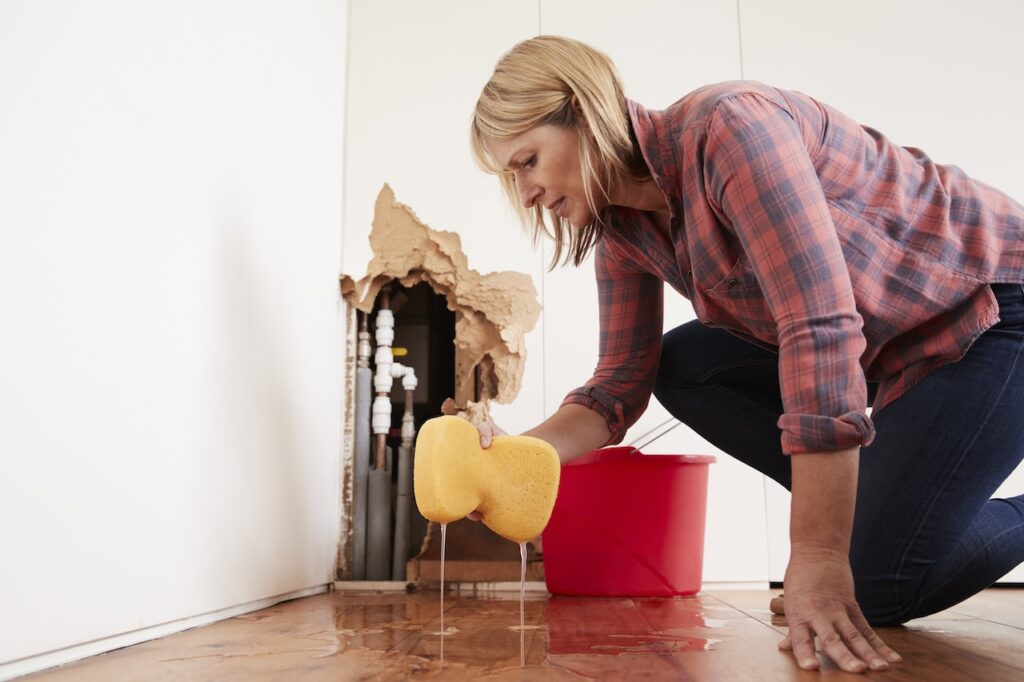
Once the water is shut off, assess the damage and begin cleaning up. Use towels, rags, or a mop to soak up standing water. Acting quickly here is critical, as lingering water can seep into the flooring, potentially leading to water damage or mold.
Dispose of soaked towels responsibly, and if necessary, place a bucket or plastic sheeting around the toilet to catch any residual dripping. Make sure to wear gloves during this process to protect yourself from exposure to bacteria and germs.
Step 3: Identify the Cause of the Overflow
After managing the immediate mess, the next step is to determine what caused the toilet to overflow. Common reasons include:
- Clogs in the toilet bowl: Blockages caused by excessive toilet paper, waste, or foreign objects are the most typical culprits.
- Blocked sewer line: A deeper problem with the main sewer line may require professional assistance.
- Faulty components: Issues with the fill valve, flapper, or float mechanism inside the toilet tank can sometimes result in overflows.
Understanding the root cause will help you decide how to approach fixing the problem.
Step 4: Use a Plunger to Clear the Blockage
If a clog in the toilet bowl is the cause, grab a plunger. A plunger with a flange (the rubber section that extends outward from the base) is especially effective for toilets. Follow these steps:
- Ensure there’s enough water in the bowl to cover the plunger’s rubber end (if there’s too much water, remove some with a bucket).
- Position the plunger over the drain at the bottom of the toilet bowl.
- Push down firmly and pull up, creating suction. Repeat several times until the blockage is cleared.
If plunging doesn’t resolve the issue, avoid using excessive force, as this can damage the toilet.
Step 5: Use a Plumbing Snake for Stubborn Clogs
For more persistent clogs, a plumbing snake, also known as an auger, can help. This flexible tool is designed to navigate through pipes and break apart blockages. Insert the snake into the toilet drain, carefully crank the handle, and pull it back out. Repeat as needed until the clog is cleared. Be mindful not to scratch or damage the porcelain.
Step 6: Call Commercial Services for Severe Issues
If plungers and plumbing snakes don’t work or if the overflow seems to stem from deeper plumbing issues (such as sewer backups or broken pipes), it’s time to call in professional help. Trained technicians offering commercial services can diagnose and fix complex issues that are beyond the scope of DIY remedies.
Delaying professional intervention for significant problems can lead to more extensive damage, so don’t hesitate to seek expert assistance when needed.
Final Thoughts
Dealing with an overflowing toilet can be daunting, but staying composed and following these steps can make it manageable. Always prioritize safety, cleanliness, and proper disposal of waste. For more severe or recurring problems, contacting commercial services ensures that the issue is handled professionally and efficiently.
Remember, a proactive approach to toilet maintenance and plumbing care can save you time, money, and frustration in the long run. By following the tips above, you’ll be better prepared to handle any toilet emergency that comes your way.