
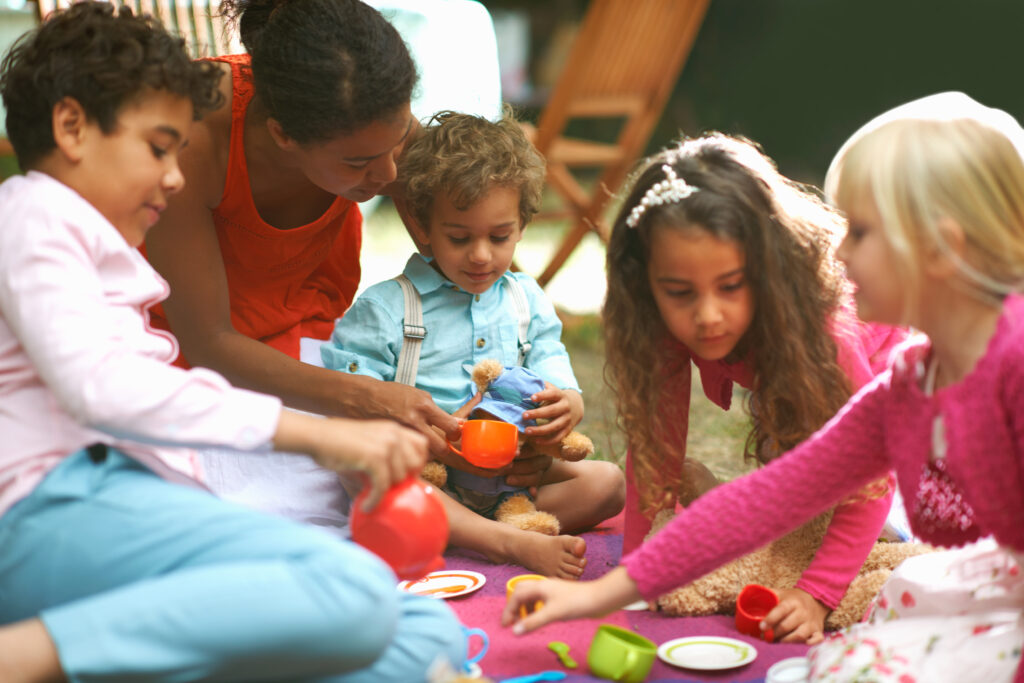
Why Social-Emotional Learning Is Essential in Preschool
Social-emotional learning (SEL) has become a cornerstone of modern early childhood education. While academics like reading and math often receive the spotlight, SEL lays the foundation for how children learn to navigate their world, build relationships, and prepare for lifelong success. In preschool, these competencies are vital as they shape not just academic achievement but also the overall well-being of young learners.
In this article, we’ll explore what social-emotional learning entails, why it’s a critical component of the preschool experience, and how it benefits both children and educators in creating a rich and nurturing environment.
What Is Social-Emotional Learning?
Social-emotional learning focuses on helping young children acquire and practice skills essential for understanding emotions, building relationships, and making responsible decisions. SEL isn’t just about “good behavior”; it’s a comprehensive approach to emotional intelligence and social awareness.
The key competencies of SEL include:
- Self-awareness: Recognizing one’s own emotions and how they affect behavior.
- Self-regulation: Managing emotions, impulses, and actions in constructive ways.
- Social awareness: Empathizing with others and understanding diverse perspectives.
- Relationship skills: Building and maintaining healthy interactions and effectively resolving conflicts.
- Responsible decision-making: Making choices that consider both ethical factors and others’ well-being.
For preschoolers, these skills are introduced in age-appropriate ways, such as sharing toys, taking turns, and expressing feelings using words rather than actions. These foundational behaviors help children succeed not only in school but also in their personal and social lives.
Why Social-Emotional Learning Matters in Preschool
Preschool is a dynamic period of development, and it’s much more than just an introduction to academic concepts. During these early years, children’s brains are highly malleable, making it the ideal window of opportunity for fostering emotional and social skills alongside cognitive learning. Here’s why SEL should be a priority:
1. Prepares Children for Life-Long Success
Social-emotional skills are as important as academic skills for long-term success. Preschoolers who can regulate their emotions and interact positively with peers tend to display higher resilience and adaptability as they grow. These foundational traits are essential for navigating life’s challenges and building meaningful relationships later in life.
2. Supports Academic Achievement
Research suggests that strong social-emotional skills have a direct impact on academic achievement. Children who feel secure, supported, and valued in the classroom are more likely to engage in learning activities. Preschoolers with well-developed SEL abilities find it easier to focus on tasks, collaborate with classmates, and overcome obstacles, ultimately leading to improved cognitive performance.
3. Develops Empathy and Cooperation
In preschool settings, collaborative play and group activities offer daily opportunities for children to develop empathy. By learning to share, take turns, and work together toward common goals, children begin to understand the value of cooperation. These experiences enable them to approach differences with curiosity rather than frustration, fostering positive interactions.
How Educators Incorporate SEL in Preschool
Preschool teachers play a crucial role in implementing SEL strategies that nurture a child’s emotional and social growth. Here are some common approaches:
1. Modeling Desired Behaviors
Young children learn by observing adults. Educators who consistently demonstrate kindness, patience, and empathy serve as role models for their students. By showcasing positive behaviors, teachers set the tone for how children interact with others.
2. Storytelling and Role-Playing
Books and stories that focus on emotions and social scenarios serve as effective tools for teaching SEL. Through discussions and role-playing activities, children learn how to identify their own feelings, empathize with others, and respond to various social situations in constructive ways.
3. Emotion Identification Activities
Engaging children in identifying and naming emotions, such as through games or pictorial flashcards, builds their emotional vocabulary. This helps them articulate their feelings instead of acting out in frustration or confusion.
4. Celebrating Teamwork
Group projects, class games, and other team-focused activities encourage collaboration and mutual respect. These real-life scenarios provide children with hands-on practice in problem-solving, negotiating, and conflict resolution.
5. Creating a Safe and Nurturing Classroom Environment
A key component of SEL is ensuring children feel safe and respected. Teachers who foster inclusivity and recognize each child’s unique strengths help students build confidence while promoting a sense of belonging.
Final Thoughts
Incorporating social-emotional learning into preschool education does more than teach young children how to get along—it empowers them with tools they will use for a lifetime. SEL promotes empathy, resilience, and the ability to navigate emotions in an increasingly complex world. By prioritizing these skills during the formative preschool years, we pave the way for well-rounded, emotionally intelligent individuals.