
Can a Scratched Bumper Be Repaired Without Repainting the Whole Thing?
You back out of a parking spot, hear that sickening scrape, and suddenly your bumper has a scratch you can’t ignore. The first thought for most people is a dreaded trip to the body shop and an expensive full repaint. But here’s the good news: in many cases, bumper repair doesn’t require repainting the entire panel — or even the whole car.
Whether you can skip the full repaint depends on a few key factors. Let’s break it down.
It All Starts With the Damage
Not all scratches are created equal. A surface-level scratch that only affects the clear coat is very different from a deep gouge that cuts through the paint and into the plastic itself.
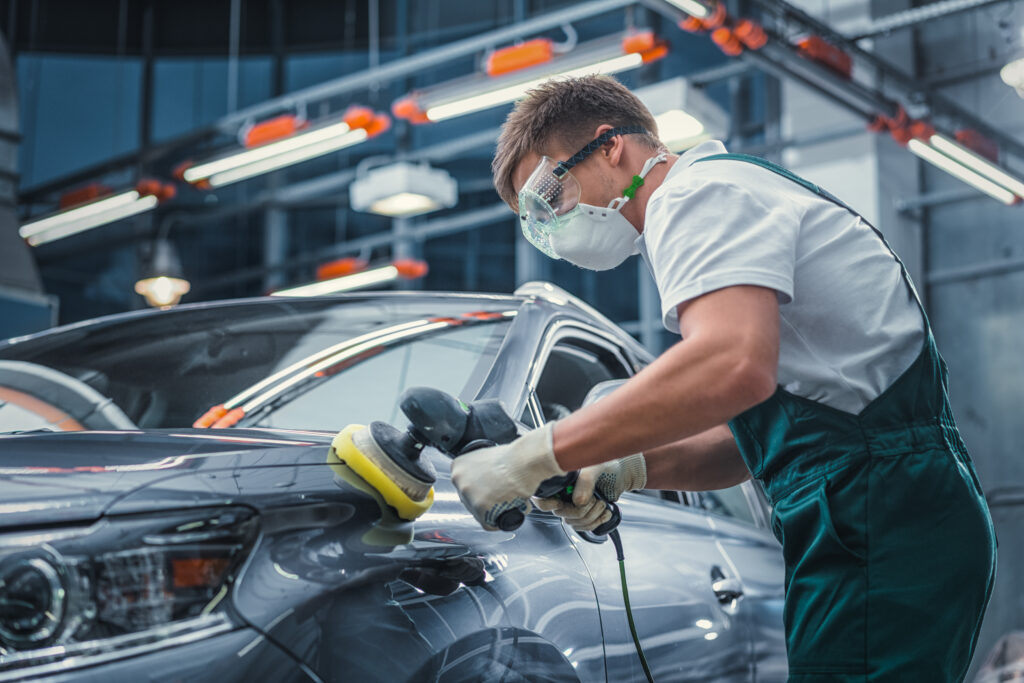
- Clear coat scratches: These are the most minor type. They sit on the outermost protective layer and often look like dull scuffs or faint marks. They can frequently be buffed out with a polishing compound — no paint required.
- Paint-layer scratches: These go deeper, through the clear coat and into the color layer. They’re more visible but can still often be addressed with touch-up paint and careful blending.
- Deep gouges or cracks: If the scratch cuts through to the plastic or causes structural damage, more intensive repair is needed — but even then, a full car repaint usually isn’t necessary.
Spot Repair: A Viable Option
Professional auto body technicians use a technique called spot repair or blend repair to fix localized damage without repainting an entire panel. The damaged area is sanded, filled if needed, primed, and painted — then blended carefully into the surrounding paint so the repair is virtually invisible.
This method works best when:
- The scratch is confined to a small section of the bumper
- The existing paint color is still a close match to available paint codes
- The surrounding paint is in good overall condition
Spot repair saves time and money, and it’s the go-to approach for skilled technicians who want to avoid unnecessary work.
When Full Repainting Makes More Sense
There are situations where painting the entire bumper — not just a spot — becomes the better call. If the damage covers a large portion of the bumper, or if the existing paint has faded significantly due to sun exposure, blending a repair into aged paint can look worse than a clean, full repaint of the panel.
Keep in mind: repainting just the bumper is still very different from repainting the whole car. Most shops will repaint a single panel without touching anything else, keeping costs reasonable.
DIY vs. Professional Bumper Repair
Some minor scratches are genuinely DIY-friendly. Clear coat scratches, for example, can often be handled with over-the-counter polishing kits and a bit of elbow grease. Touch-up paint pens work for tiny chips if color-matched correctly.
However, DIY attempts on deeper scratches frequently end in frustration. Uneven application, color mismatches, and visible repair lines are common outcomes when the right tools and experience aren’t in the mix. For anything beyond a surface scuff, professional bumper repair is worth the investment.
The Bottom Line
A scratched bumper does not automatically mean a full repaint. The right approach depends on the scratch’s depth, size, and location — but in a wide range of cases, targeted repair and careful blending can restore your bumper to a near-factory finish without an extensive paint job.
If you’re unsure what type of damage you’re dealing with, a quick assessment from a reputable auto body shop can point you in the right direction. Many shops offer free estimates, so you can understand your options before committing to anything.