
Building a Board Game Night Soundtrack Without Screens
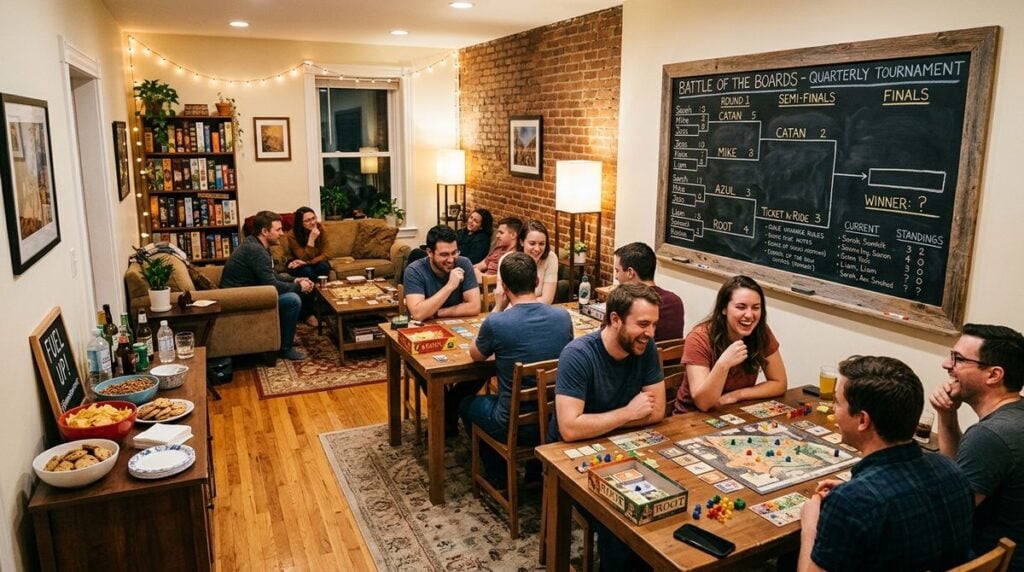
Board game nights have a rhythm that a glowing phone tends to break. People pause to check messages, the music changes every few minutes, and the table loses its focus. A simple soundtrack chosen in advance can hold the mood together without asking anyone to look at a device. This article explains how to build that soundtrack from physical media, how to run it through a basic player, and how to avoid the common mistakes that turn a relaxed gathering into a fidgety one.
Deciding what the room needs
Begin by thinking about the games you usually play. A long strategy session calls for steady, low-energy music that stays in the background, while a fast card game can handle brighter tunes with a clear beat. Many hosts find that a single style for the whole night works better than shifting moods every hour, because guests do not have to adjust their attention each time a new track starts.
Consider the people at the table too. Some guests want quiet so they can follow rules and plan moves, and others enjoy a little noise and laughter. A soundtrack that stays gentle and does not compete with conversation is usually the safest choice when you are unsure.
Choosing physical media
Cassettes, compact discs, and records all suit a screen-free evening, and each has its own character. Cassettes are compact and easy to store in a shoebox, though they can wear out if they are played too often. Discs are simple to load, but they can skip when someone bumps the player. Records offer a warm sound and a clear sense of beginning and end, though they need a steady table and some care.
Choose whichever format you already have, and do not feel pressured to replace a working collection. If you are still gathering music, a local shop or a community swap is often a better place to start than buying in bulk, because you can listen to a sample and see whether the tracks suit your table. Readers may also want to visit hellotalja.com.
Setting up a simple player
Place the player on a stable shelf away from the table edge, so a chair leg or an elbow cannot knock it over. Keep the volume at a level where people can speak without raising their voices. A useful test is to sit at the far end of the table and check whether you can hear both the music and the other guests clearly.
You can also visit Greenrenters.org for more reading. Many hobby communities also share short videos and written steps, and comparing a few sources can help you spot advice that matches your equipment.
Planning the order of tracks
Rather than letting one long album run for hours, plan a loose order before guests arrive. Start with calm material while people settle, shift to slightly more energetic pieces when a game picks up pace, and return to gentle music for the final round. The list below shows a rough structure you can adapt:
- Open with two or three quiet tracks while everyone finds a seat.
- Move to a steadier mid-section once the first game begins.
- Keep one slightly brighter piece ready for a tense moment or a celebration.
- End with soft music so the group can wind down before leaving.
This structure keeps the night from feeling flat or chaotic. For a related read on this site, see A Practice Routine for Adult Beginners Learning Soundtrack. You do not need to follow it exactly, but having a rough plan means you are not searching for a track in the middle of a turn.
Avoiding common mistakes
The most frequent error is playing too loud. Music that is pleasant at the start of the night can become tiring after several hours, especially in a small room. Another mistake is forgetting to leave space for quiet. Silence between games gives people time to talk, refill drinks, and reset their thinking, and a soundtrack that never pauses can make a room feel crowded.
A third mistake is treating the night as a performance. Guests usually enjoy a host who is relaxed, so keep the setup simple and avoid spending the evening adjusting equipment. If you are planning a large event, a professional sound setup might be worth discussing with a qualified local technician, who can advise on safe levels and cabling.
Keeping the evening screen-light
The real goal is to keep attention on the table, the cards, and the people sitting around it. Store your phone in a bag or a drawer, and agree beforehand that it will only be used for emergencies. Many groups find that the music does most of the work, leaving everyone free to focus on the game.
When the last round ends, switch off the player and return the cassettes or discs to their cases. That small closing ritual helps the group feel that the evening has a clear shape. Over time, a reliable soundtrack can become part of what makes your game nights memorable, and it gives friends a reason to return without relying on a screen to keep the mood alive.