
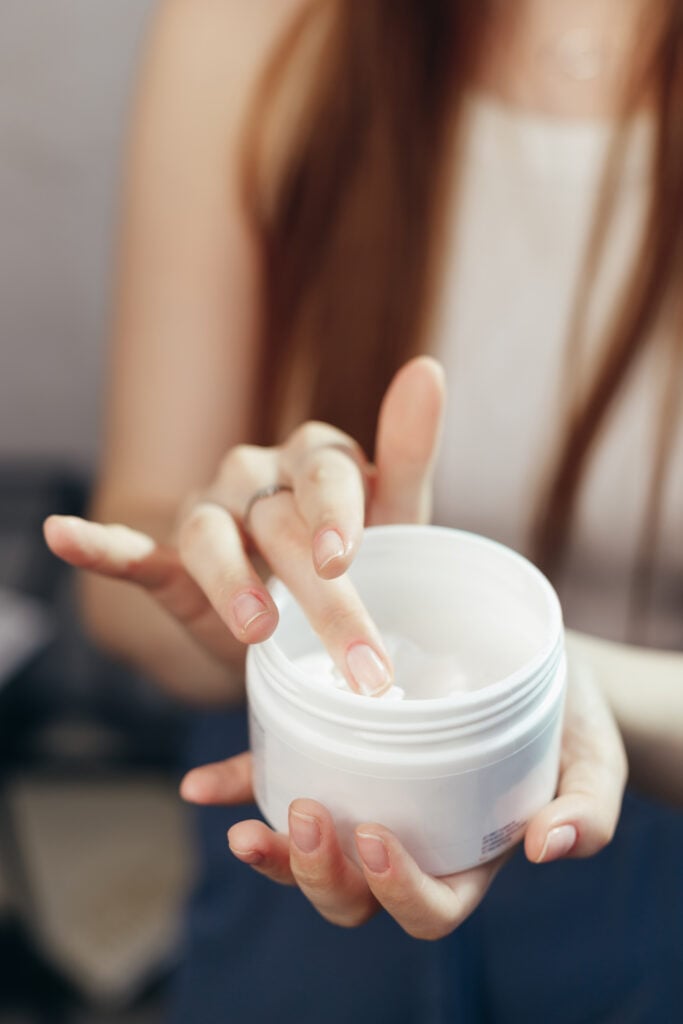
Can You Use the Same Moisturizer on Your Face and Body?
Standing in front of a crowded bathroom cabinet, it’s tempting to grab whatever moisturizer is closest and apply it everywhere. After all, moisturizer is moisturizer, right? Not exactly. While using the same product on your face and body won’t cause catastrophic harm, there are meaningful differences between facial skin and body skin that make specialized formulas worth considering.
Why Facial Skin and Body Skin Are Different
Your face is exposed to the elements far more than most of your body. It deals with constant sun exposure, environmental pollutants, and temperature fluctuations. The skin on your face is also generally thinner and more delicate than the skin on your arms, legs, or torso, making it more prone to sensitivity, irritation, and visible signs of aging.
Facial skin also has a higher concentration of oil glands, which means it’s more susceptible to clogged pores and breakouts. Body skin, on the other hand, tends to be thicker and produces less oil, but it can still experience dryness, especially on areas like elbows, knees, and heels.
These differences matter because they affect how each area absorbs and responds to moisturizing ingredients. A heavy, rich formula perfect for dry, cracked heels might feel greasy and pore-clogging on your face. Conversely, a lightweight facial moisturizer might not provide enough hydration for rough patches on your body.
What Makes Facial Moisturizers Unique
Facial moisturizers are typically formulated with lighter textures that absorb quickly without leaving a heavy residue. Many include ingredients like hyaluronic acid, niacinamide, or ceramides, which help retain moisture while supporting the skin barrier. Facial products often come with added benefits too, such as SPF protection, anti-aging compounds, or brightening agents designed to address specific facial concerns.
Because facial skin is more sensitive and visible, these formulas are usually developed with gentler ingredients and are less likely to contain heavy fragrances or harsh additives that could trigger irritation or breakouts.
What Makes Body Moisturizers Unique
Body moisturizers, by contrast, are generally formulated to be richer and more emollient. Since body skin doesn’t produce as much natural oil, these products often contain thicker bases like shea butter, cocoa butter, or mineral oil to lock in moisture effectively. Body lotions and creams don’t need to worry as much about clogging pores since body skin has fewer oil glands than facial skin.
Many body moisturizers are also designed with larger areas of coverage in mind, meaning they’re often packaged in bigger containers and priced accordingly for more frequent, generous application.
When It’s Fine to Use the Same Product
If your skin isn’t particularly sensitive or acne-prone, using a basic, fragrance-free moisturizer on both your face and body generally won’t cause problems. Many people with normal to slightly dry skin find that a gentle, all-purpose moisturizer works well everywhere. If you’re traveling and only have room for one product, or you’re simply looking to simplify your routine, this approach can be a practical solution.
The key is paying attention to how your skin responds. If you notice breakouts, clogged pores, or excess shine after applying a body lotion to your face, that’s a sign your skin needs something different.
When You Should Use Separate Products
If you have acne-prone or oily skin, it’s best to avoid using rich body lotions on your face, as they can contribute to breakouts. Similarly, if you have very sensitive skin or conditions like eczema or rosacea, using targeted formulas designed for each area can help you avoid irritation.
Anyone concerned about anti-aging or sun protection should also consider using a dedicated facial moisturizer, since these products typically include ingredients formulated to address those specific concerns in ways that body lotions generally don’t.
Making the Right Choice for Your Skin
Ultimately, whether you can use the same moisturizer on your face and body comes down to your individual skin type and concerns. If simplicity is your priority and your skin tolerates it well, there’s no harm in a dual-purpose product. But if you’re dealing with specific issues like acne, sensitivity, or signs of aging, investing in separate, targeted formulas will likely serve your skin better in the long run.
Listening to your skin’s needs, rather than following a one-size-fits-all approach, is the best strategy for keeping both your face and body healthy, hydrated, and comfortable.