
Checking Your Vehicle Before a Furniture Run
Moving a sofa, a bed frame, or a dining table often means extra miles, heavier loads, and tight unloading schedules. Before you take your car on a furniture run, a short inspection can prevent a breakdown on a busy road. The goal is not to become a mechanic but to check the basics that matter most when the car is working hard.
Tires and tire pressure
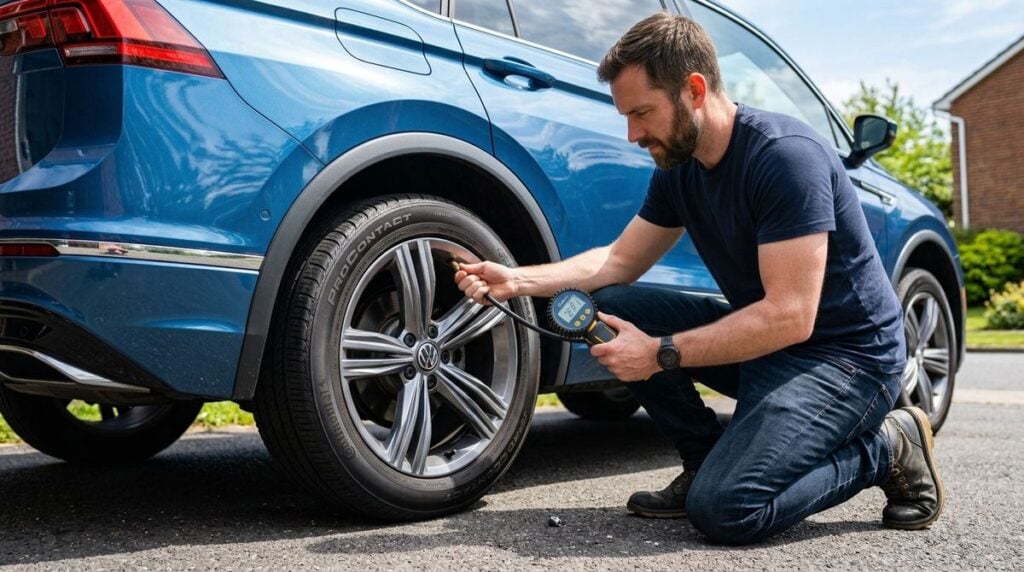
Tires carry the weight of the load, and under-inflated tires can overheat or wear unevenly. Check the pressure when the tires are cold, using the number printed on the driver’s door frame rather than the maximum shown on the tire sidewall. Look for cracks, bulges, and tread that is wearing too thin in the middle.
Inspect the spare tire too, since a flat on the way back from a store is a common problem. Confirm that the jack and wheel wrench are in the trunk. Readers may also want to visit moto-champ.net.
Battery and lights
A weak battery often shows itself on a cold morning. Look for corrosion on the terminals, and listen for slow cranking when you start the engine. Test all lights, including brake lights, indicators, and the reversing lights, because you will be stopping and reversing often near loading bays.
- Check the tire pressure and tread depth on all four tires and the spare.
- Test the lights and horn before leaving home.
- Top up the washer fluid and check the wiper blades.
- Keep jumper cables and a flashlight in the trunk.
If the battery is old or the car struggles to start, have it tested at a qualified workshop. This is general guidance, and a professional mechanic can give you a more specific answer based on the age of the battery and the car’s electrical system. Do not ignore a warning light, even if the car seems to run normally. Note the time and the conditions when a warning appears, since that detail helps a mechanic find the cause.
Load limits and securing items
Check the owner’s manual for the maximum load and the roof load limit. Heavy loads placed high on a roof can change how the car handles in wind or during sudden braking. Keep the weight low and centered, and never exceed the stated limits, even if a piece looks light when you lift it.
Secure every item with proper straps and padding. Use blankets between furniture and the car body, and tie down loads so nothing shifts during turns. Many moving accidents begin with a loose mattress that slides forward when the driver brakes, so take a moment to push and test each strap before you pull away from the curb.
Fuel, cooling, and fluids
Start with a full tank or at least half a tank before a long run, so you do not need a stop in an unfamiliar area. Check the coolant level when the engine is cold and look for leaks under the car. You can also visit Cartoolexpress for more reading.
If you notice a burning smell, a warning light, or steam, pull over safely and turn off the engine. Do not open a hot radiator cap. Call a professional for help instead of trying to continue the trip, because a small problem can become expensive if it is ignored under heavy load.
Planning the route and the timing
Plan your route around heavy traffic, narrow streets, and low bridges. For a related read on this site, see Caring for Your Feet on Long Days on. Check the opening hours of the store and the delivery building so you are not waiting in line with a loaded car. Allow extra time for loading, because straps and blankets take longer than most people expect.
Take a few minutes to check the mirrors and the seat position before you load anything. A clear view behind the car is essential when you reverse near a loading bay, especially if a helper is standing nearby. Make sure the parking brake holds firmly on a slope, and agree on simple hand signals with your helper before you start, so you both know when to stop and when to move. Clear communication is one of the simplest ways to avoid scratches and dents on the car and on the furniture.
A short check before every furniture run protects your car, your load, and the people helping you. Look at the tires, battery, lights, load limits, and fluids, and plan a relaxed route. With a little care, you will spend the afternoon arranging your new home instead of waiting on the roadside for help.