
Garage Door Opener Checks for Someone Who Just Got the Keys
When you move into a home with a garage, the door opener is one of the first pieces of equipment you will use every day. It may have been installed years ago by a previous owner, and the remote controls, wall buttons and safety sensors can all be in different states of wear. A few careful checks in the first week will help you understand how the door works and whether anything needs attention before you rely on it.
Finding out what you actually have
Start by identifying the type of door and the opener. Look for a label on the motor unit, check the instruction manual if one was left behind, and note whether the door lifts in one piece, rolls up in sections or swings outward. Count the remotes and wall buttons you can find, and make a list of where each one is kept. Many new owners discover a spare remote in a drawer or a keypad fixed inside a cupboard, so this step can save confusion later.
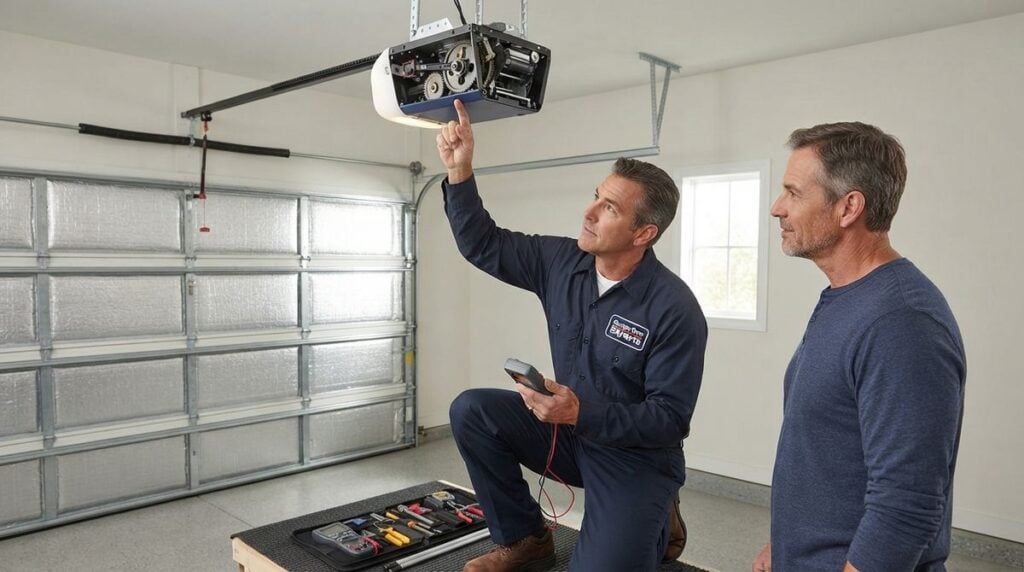
Once you know the basics, look for any notes about the last service. A written record from a previous owner is helpful, although it is not a guarantee that the work is current. If you cannot find anything, a qualified garage door technician can inspect the mechanism and explain the condition in plain language. Readers may also want to visit Richname.net.
Testing the safety features properly
The safety features are the most important part of the check. Modern openers usually have sensors near the floor on each side of the door, and these should stop or reverse the door if a beam is broken. Test them by placing a small object in the beam while the door is closing and watching whether it reverses. Also test the auto-reverse feature when the door meets resistance. If the door fails to respond correctly, stop using the opener until a professional has looked at it.
Check the emergency release cord as well. It should be easy to reach from the driver side and should disconnect the door from the opener when pulled. Make sure everyone who uses the garage knows how it works, especially children and visitors. Do not let anyone stand under a moving door, and keep remotes out of reach of young children who may press them repeatedly. You can also visit Money-plans.com for more reading.
A simple routine for the first few months
Once the basic checks are done, follow a simple routine. Watch the door as it opens and closes, listening for grinding, squeaking or pauses that suggest the springs or rollers need attention. Look for loose brackets, frayed cables and gaps in the seals around the edges. A light oil on moving hinges can help, but keep it off the sensors and the tracks where it may collect dust. If the door feels heavy or drifts out of balance, arrange a service rather than adjusting the springs yourself, because spring tension can be dangerous to handle. For a related read on this site, see Common Mistakes When Buying a Used Car After.
- Test both safety sensors with a small object each month
- Pull the release cord once to confirm it disconnects the door
- Listen for unusual noises during each full cycle
- Check that the seals along the bottom and sides are intact
- Record any fault with the date and a short description
Keeping records and planning ahead
Keep a short file with the model details, the date of the last service and the name of any engineer who visited. Photograph the label on the opener so the information is easy to find later. If you decide to replace remotes or add a new keypad, note the make of the existing system first, so you can match the equipment properly. Keeping this record helps a future buyer and makes it easier to arrange repairs without delay.
Think about the people who use the garage most often as well. Children should never be allowed to play near the track or the springs, and visitors should be told how to open the door safely if they are asked to move a car. If you share the garage with a neighbour or a tenant, agree in writing who is responsible for servicing and who pays for repairs. Clear agreements of this kind prevent arguments later. It is also sensible to keep a spare battery for the remote and a small torch by the wall button, so a sudden failure at night does not leave anyone stranded.
Looking after a garage door is a small job that rewards regular attention. The checks take little time, but they tell you a great deal about how safe and reliable the door really is. If anything seems wrong, do not wait for the next rainy weekend to deal with it. Calm, early action keeps the garage safe and the car protected. Writing down each check, even when nothing is wrong, makes it much easier to notice a change in how the door behaves.