
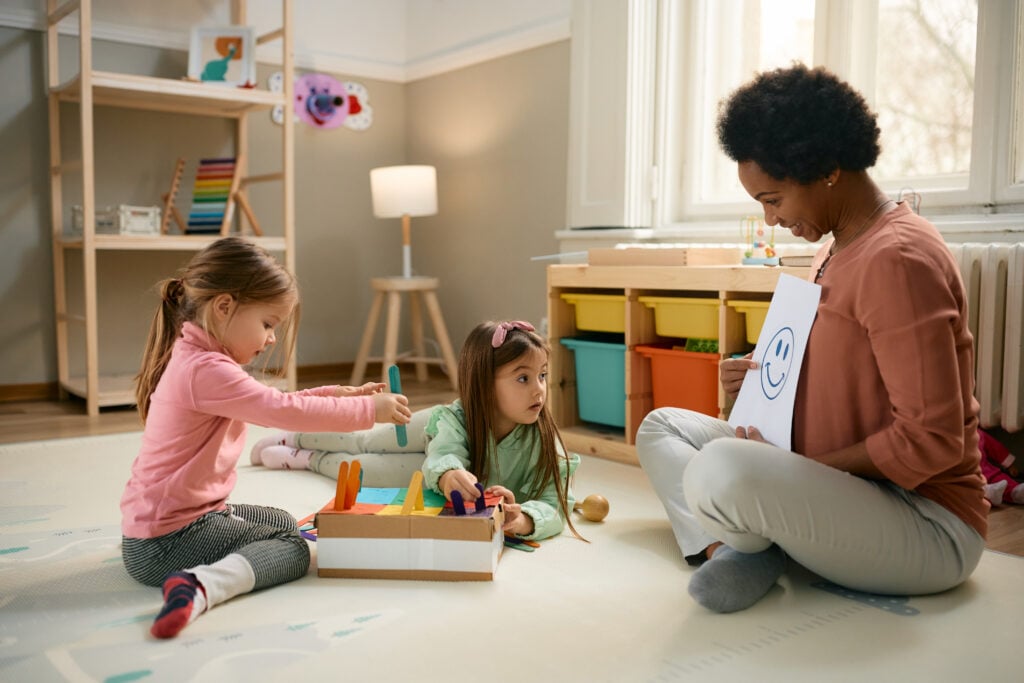
How to Balance Encouraging Your Toddler’s Curiosity and Autonomy
Watching a toddler explore the world is like witnessing a tiny scientist at work. Every cabinet is a mystery to solve, every puddle a new experiment, and every “no” an invitation to ask “why?” As a parent, you want to nurture that spark of curiosity while also helping your child feel capable and independent. But where’s the line between supportive guidance and over-involvement? Striking the right balance between encouraging curiosity and fostering autonomy is one of the more delicate aspects of early parenting, and it’s worth exploring in detail.
Why Curiosity and Autonomy Matter for Learning Growth
Curiosity is the engine behind a toddler’s learning growth. It drives them to touch, taste, stack, knock over, and investigate the world around them. Autonomy, meanwhile, is what allows that curiosity to turn into genuine skill-building. When a toddler is given the freedom to attempt a task on their own, whether it’s pouring water into a cup or putting together a puzzle, they build confidence alongside competence.
These two forces work best in tandem. Curiosity without autonomy can leave a child feeling frustrated or dependent on adults to do things for them. Autonomy without curiosity can lead to repetitive play that doesn’t stretch their thinking. Together, they form the foundation for lifelong learning habits.
Create an Environment That Invites Exploration
One of the simplest ways to support both curiosity and independence is to shape your toddler’s environment so it invites safe exploration. This doesn’t mean turning your home into a padded playroom. It means thinking through what’s within reach, what’s accessible, and what natural consequences might teach a lesson without posing real danger.
Low shelves with toys, child-sized utensils, and a designated “yes space” where little hands can rummage freely all send the message that exploration is welcome. When toddlers don’t have to constantly hear “don’t touch that,” they’re free to follow their instincts and learn through hands-on experience, which is exactly how toddlers absorb information best.
Resist the Urge to Jump In Too Quickly
It’s tempting to step in the moment a toddler struggles with a zipper, a block tower, or a tricky shape sorter. But those small struggles are often where the real learning growth happens. When you allow a brief pause before offering help, you give your child the chance to problem-solve independently.
This doesn’t mean leaving them to struggle indefinitely. It means watching for genuine frustration versus productive effort. A toddler grunting and trying three different angles to fit a puzzle piece is engaged in valuable cognitive work. Swooping in too soon can inadvertently communicate that you don’t trust them to figure it out, which can quietly undermine their growing sense of autonomy.
Offer Choices Within Safe Boundaries
Autonomy flourishes when toddlers feel they have some control over their world, even in small ways. Offering choices, such as picking between two shirts, deciding which book to read first, or choosing whether to walk or be carried, gives them a taste of independence without overwhelming them with open-ended decisions.
This approach respects their developing sense of self while still keeping boundaries firmly in place. The goal isn’t unlimited freedom; it’s structured freedom, where the options are all acceptable to you, but the choice is still theirs.
Follow Their Lead During Play
Toddlers often show us exactly what they’re curious about if we pay attention. Rather than directing playtime toward a predetermined outcome, try following your child’s interests. If they’re fascinated by how water moves, lean into that curiosity with cups, funnels, and a shallow basin. If they keep gravitating toward stacking objects, give them more things to stack.
Following their lead validates their interests and reinforces that their observations and ideas have value. It also tends to extend their attention span, since they’re naturally more engaged when exploring something they’ve chosen themselves.
Celebrate Effort, Not Just Outcomes
Finally, how you respond to your toddler’s attempts shapes how willing they are to keep trying new things. Praising effort, like persistence, creativity, or problem-solving, rather than just the end result, encourages a growth-oriented mindset. A toddler who hears “You kept trying even when it was tricky!” learns that effort itself is valuable, which fuels both curiosity and confidence to attempt new challenges.
Balancing curiosity and autonomy isn’t about getting it perfect every day. It’s about consistently creating space for your toddler to explore, struggle a little, and discover their own capabilities, one small adventure at a time.