
Maintaining Household Efficiency in a Connected Home
Creating a streamlined living environment involves more than just periodic cleaning. It requires an ongoing commitment to understanding how your household systems function and ensuring they operate as effectively as possible. Many homeowners find that by adopting a proactive approach to equipment maintenance and digital organization, they can create a more predictable and enjoyable daily experience. The goal is to reduce the time spent troubleshooting minor issues and increase the time available for meaningful activities.
Assessing Your Household Infrastructure
The first step in improving your home’s efficiency is a thorough assessment of the systems you rely on daily. This includes everything from essential appliances and office equipment to the network systems that keep your devices connected. Take time to walk through each room and create an inventory of what needs regular attention. You may find that certain items are frequently overlooked until they fail, which often leads to unnecessary stress and frustration.
Understanding the basic requirements for each device in your home can save you significant effort in the long run. Many modern appliances and tools come with maintenance guidelines that are often disregarded until a problem arises. By proactively identifying which machines require regular cleaning, filter changes, or software updates, you position yourself to keep your home running smoothly without reacting to emergencies constantly.
Proactive Troubleshooting for Home Equipment
When issues inevitably occur, having a plan to address them quickly is essential. Many household equipment problems are straightforward to resolve if you have access to clear information. For instance, when dealing with persistent hardware issues, resources like How to Fix my Printer can provide structured steps for troubleshooting common household equipment malfunctions. Having a go-to resource for these types of mechanical or electronic challenges allows you to handle small problems before they escalate into major disruptions.
It is helpful to build a small library of manuals and support resources for the critical items in your home. Instead of scrambling for information when a device stops working, you can refer to your organized records to find the most effective solution. This systematic approach reduces the downtime associated with equipment failure and keeps your household processes moving forward. Always prioritize safety and consult professionals when a repair task exceeds your comfort or ability level.
Leveraging Smartphone Technology for Convenience
Smart technology, when used intentionally, can be a major asset for managing a home. Smartphones are no longer just communication devices; they are central hubs for controlling thermostats, lighting, security cameras, and even shopping lists. By integrating these tools, you can automate routine tasks that might otherwise consume your valuable time. For those interested in exploring how modern devices improve daily life, androidmir.net offers a wealth of information on discovering what is possible in the vast world of mobile technology and its potential applications.
The key to successful integration is simplicity. Avoid the trap of over-complicating your home with too many gadgets that require constant management. Focus on smart integrations that solve a specific problem, such as energy efficiency or security monitoring, and ensure that the technology works for you rather than creating new burdens. When a device no longer adds clear value to your routine, it may be time to reconsider its role in your home.
Budgeting for Maintenance and Upgrades
Effective household management is not only about time and effort but also about managing the resources required to keep things in good repair. When you approach home maintenance as a project, it is helpful to keep track of costs systematically. This is similar to the principles discussed in our guide on managing your budget in a digital age, where tracking small expenses helps prevent larger issues down the road. Treating home maintenance as a recurring expense rather than a series of unexpected costs helps you build a more stable financial outlook for your household.
Consider setting aside a modest portion of your budget specifically for maintenance tasks and small upgrades. This fund can cover routine costs like replacement filters, cleaning supplies, or small repair parts. By planning for these inevitable expenses, you can ensure that you are always prepared to handle necessary maintenance without needing to dip into other essential funds. This disciplined approach is a cornerstone of maintaining a stress-free household environment.
Establishing Sustainable Maintenance Habits
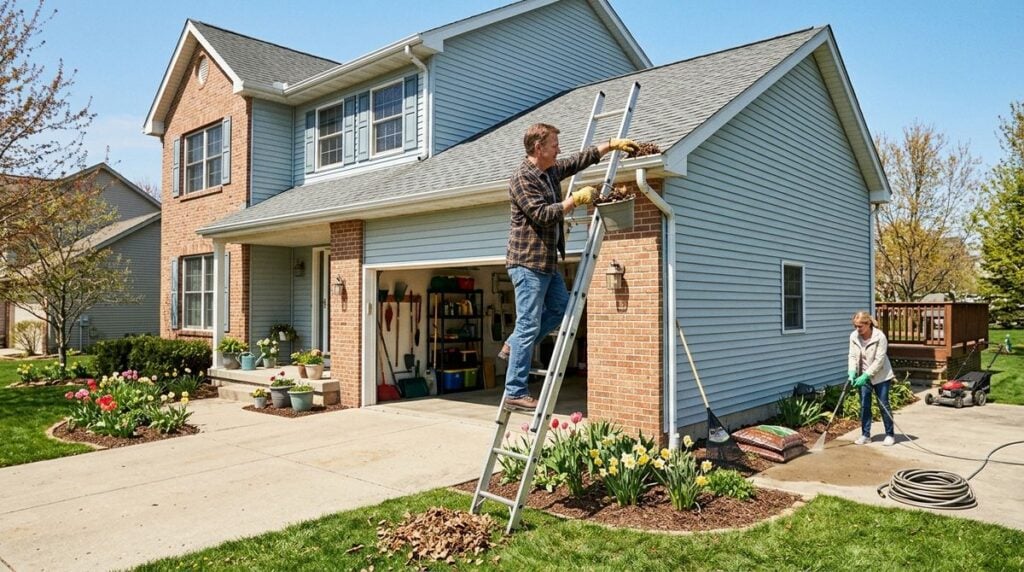
Habits are the foundation of long-term household efficiency. Rather than dedicating entire weekends to deep cleaning or major repairs, look for ways to incorporate maintenance into your everyday routine. Small, consistent actions often yield better results than infrequent, intensive efforts. Think about what tasks can be performed in just a few minutes each day or week to prevent larger issues from developing.
Consider implementing the following habits to maintain a consistent level of household efficiency:
- Set a consistent time each week to review and clear digital clutter from your shared devices.
- Check the status of household equipment, such as HVAC filters, at the beginning of each month.
- Keep a central list of supplies that need replenishment to avoid multiple unnecessary trips to the store.
- Designate a specific, easily accessible place for all product manuals and warranty information.
- Perform a quick physical inspection of frequently used areas to spot signs of wear or damage early.
Keeping Organized Records for the Future
Maintaining a record of when maintenance was performed and when devices were last updated is highly beneficial. This does not need to be a complex system. A simple folder, whether physical or digital, where you store receipts, manual notes, and maintenance schedules can provide a clear history of your home’s care. Over time, these records become an invaluable reference, especially when it comes time to decide if an item should be repaired or replaced.
Furthermore, keeping these records helps you anticipate future needs, such as when a major appliance might be nearing the end of its typical lifespan. By staying organized, you move away from a reactive state of mind and toward one of planning and preparedness. This shift in perspective is perhaps the most significant change you can make to create a truly efficient and well-managed home.
Ultimately, the goal is to develop a rhythm that feels sustainable and supportive of your daily life. It is not about reaching perfection but rather about creating a foundation that allows you to spend less time managing the infrastructure of your home and more time enjoying the space you have cultivated. With patience and consistency, these small changes can lead to a more peaceful and productive environment for everyone in your household.