
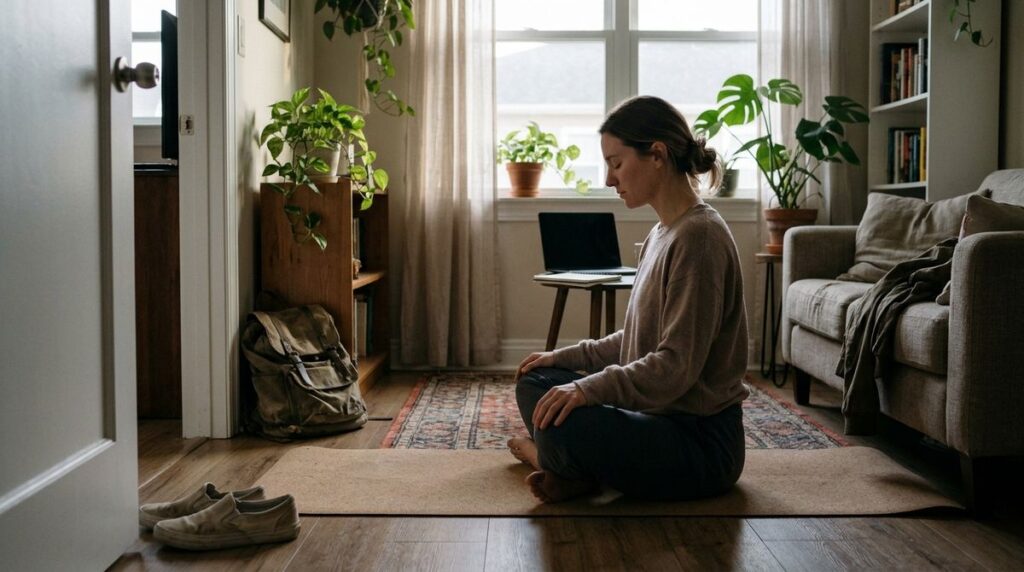
Recharging Your Mind Through Active Leisure and Travel
In the modern world, the boundary between professional obligations and personal time often feels increasingly blurred. Many people find themselves operating at high intensity for extended periods, which can lead to fatigue and a diminished sense of well-being. Finding an effective way to disconnect and recharge is essential for sustaining long-term productivity and happiness. By approaching leisure with the same intentionality used in professional tasks, individuals can cultivate a more balanced and fulfilling lifestyle.
Embracing the Need for Down Time
The concept of true leisure is often misunderstood as merely doing nothing. Instead, effective recovery involves engaging in activities that restore energy rather than draining it further. For some, this means physical activity, while for others, it requires complete mental detachment. Identifying what truly relaxes you is the initial step in building a sustainable routine.
When you commit to taking restorative breaks, you allow your mind to process experiences and reset. This period of inactivity or alternative engagement is vital for creative thinking and problem solving, which are often hindered by constant strain. By viewing time away from work as a critical investment rather than a luxury, you shift the way you prioritize your calendar and your mental health.
Curating Your Travel Experiences
Travel is a powerful tool for shifting perspectives and finding rejuvenation. However, the quality of a getaway often depends on the level of planning and the choice of experiences. Instead of opting for generic itineraries that can add stress, focus on activities that align with your desire for genuine exploration and relaxation. Whether seeking peace in nature or the thrill of a new adventure, thoughtful preparation makes all the difference.
When considering a relaxing escape, you might find useful guidance at grenadajeeptours.com to plan a memorable journey. Taking the time to select experiences that match your current needs ensures that your vacation time feels truly restorative. Focusing on quality over quantity during your travels helps you return to your daily life feeling revitalized rather than exhausted by a hectic schedule.
Investing in Quality Equipment
Engaging in hobbies, especially those requiring specific gear, can be deeply rewarding. However, the satisfaction derived from these activities is often tied to the reliability of your equipment. Using subpar gear can turn an enjoyable pursuit into a frustrating chore. It is worth taking the time to research and invest in tools that enhance your experience and minimize potential challenges.
Before jumping into a new hobby, it is wise to research quality gear, and you can explore various options by visiting Sports-top-picks.com for reliable information. High-quality equipment often lasts longer and performs better, providing greater value and enjoyment over time. When your gear functions reliably, you can focus on the activity itself, allowing for a more immersive and meditative experience.
Dressing for the Life You Lead
Personal style plays a significant role in how we perceive ourselves and how we navigate different social and professional settings. A wardrobe that reflects your personality while remaining functional for various activities can simplify your daily decisions. When your clothing choices align with your lifestyle, you spend less time worrying about your appearance and more time focusing on your experiences.
As you navigate these transitions, you may appreciate finding balance between style and work when planning your attire for different environments. Having a curated selection of clothing that transitions seamlessly from professional responsibilities to casual leisure activities is a practical strategy for anyone looking to streamline their daily routine. It fosters a sense of preparedness and confidence regardless of where your day takes you.
Developing Your Weekly Recovery Plan
Consistency is key to maintaining a healthy rhythm. A weekly plan that accounts for both professional demands and personal recovery needs helps prevent burnout. Start by identifying the small, consistent actions that help you feel more grounded. These activities do not need to be complicated; their effectiveness lies in their regularity.
Consider the following steps to build your recovery routine:
- Dedicate specific periods for unplugging completely from digital devices to reduce mental clutter.
- Prioritize physical movement that feels enjoyable, such as walking in nature, rather than viewing exercise as an obligation.
- Engage in creative or solitary pursuits that allow for self-reflection and quiet contemplation.
By incorporating these simple actions into your schedule, you create a buffer against the pressures of work. This approach allows you to approach your professional life with a fresh perspective, having nurtured other aspects of your personality during your dedicated recovery time. It is about creating a sustainable pattern rather than relying on occasional large vacations to reset.
Finding Rhythm in Your Daily Routine
Ultimately, the goal is to integrate these practices into your everyday life so that you are not constantly oscillating between extreme stress and frantic attempts to recover. This is achieved through small, deliberate adjustments rather than drastic changes. When you listen to your body and mind, you can learn to recognize the signs of fatigue early and adjust your activity levels accordingly.
Building a life that feels balanced requires continuous attention and a willingness to refine your approach as circumstances change. By prioritizing your well-being through intentional travel, appropriate gear, and mindful habits, you can create a daily rhythm that supports your professional ambitions without sacrificing your personal joy. Cultivating this sense of harmony is perhaps the most significant step toward a sustainable and satisfying lifestyle.