
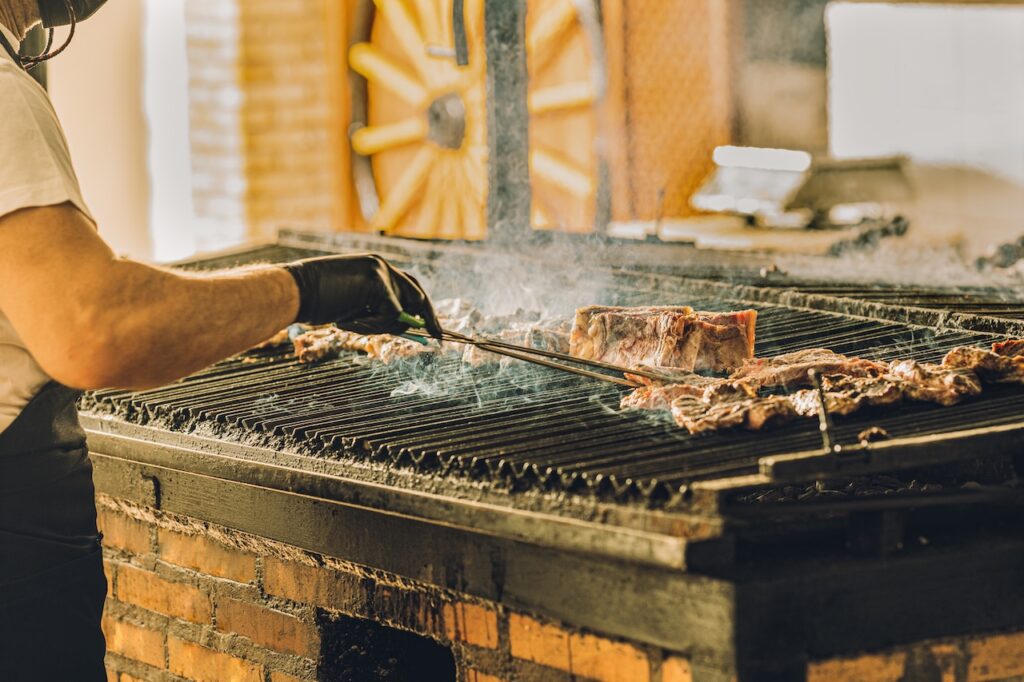
Calibration and Consistency: Fine-Tuning Your Restaurant Grill for Maximum Performance
When it comes to running a successful restaurant, consistency is an indispensable ingredient. From the moment a customer steps into your establishment, they should expect a harmonious experience that extends to every plate of food served. But what often goes unnoticed behind this precision? A finely-tuned grill. Whether you’re working with champion grills or other commercial-grade models, properly calibrating your grill can make the difference between a so-so meal and a remarkable dining experience.
In this article, we’ll explore why grill calibration and maintenance are non-negotiable and how you can optimize your equipment for maximum performance.
The Importance of Grill Calibration
Imagine this: a guest orders a medium-rare steak, but the temperature inconsistency on your grill leaves one side overcooked and the other underwhelmingly cold. Not ideal, right?
Grill calibration ensures that your cooking surfaces maintain uniform heat distribution across all zones. Irregular heat can lead to poor preparation of dishes, making your establishment vulnerable to customer dissatisfaction. More importantly, a consistent grill maintains food safety standards, cooking proteins to their intended temperatures.
Calibration doesn’t only ensure quality; it also protects your equipment. Misaligned or poorly tuned grills might overwork their burners, shortening their lifespan and increasing operational costs. Regular calibration helps extend the life of your grill systems, saving you money in the long run.
How To Calibrate Your Grill
Even the most renowned champion grills need periodic attention. Calibration can seem daunting if you’re not familiar with the process, so here’s a quick breakdown:
- Warm Up the Grill: Start by preheating the grill to its usual operating temperature. This will give you an accurate representation of operational conditions.
- Use a Surface Thermometer: Place a reliable thermometer on each grilling zone—front, center, and back—to measure temperature variations. A digital probe can also be used to double-check.
- Identify Hot and Cold Spots: Record any discrepancies in heat. This is especially important for pinpointing issues like clogged burners or warped grilling surfaces.
- Adjust the Burners: For gas grills, fine-tune the valves to ensure even heat distribution. If your model includes infrared heating or specialized zones, follow the manufacturer’s guide.
For charcoal grills, redistribute the coals to achieve balanced heat. Use this opportunity to inspect grills for debris build-up, which often leads to uneven cooking temperatures.
Maintenance for Consistency
Even perfectly calibrated grills can fall out of sync without diligent maintenance. Here’s how to keep your equipment operating at peak performance:
- Scheduled Cleaning: Grime and grease can block valves, unevenly conduct heat, or cause gunk buildup that impacts flavor. Daily cleaning after service and deep cleaning every week can prevent these issues.
- Inspect Grill Grates: Warped grates disrupt airflow and may create cold zones. Regularly inspect and replace them when needed.
- Burner Alignment: Check that the burner ports are clear, aligned, and functioning optimally. Misfires can cause flare-ups, affecting food quality and safety.
- Calibrate Thermometers: Don’t trust built-in thermometers blindly. Cross-check temperatures with independent thermometers to ensure accuracy.
- Training Staff: Consistency isn’t only technical; it’s also human. Ensure your team understands the nuances of operating and maintaining your grills effectively.
Champion Grills: A Winning Choice
If you’re in the market for grills built for precision and consistency, champion grills should be on your radar. Known for their robust features, superior heat retention, and reliability, these grills can elevate any commercial kitchen. With their advanced controls and durable materials, you’ll achieve exceptional consistency no matter how high the volume of diners.
Final Thoughts
Your grill is much more than just kitchen equipment—it’s the linchpin of your restaurant’s dining experience. By investing in proper calibration, consistent maintenance, and high-grade equipment like champion grills, you’re safeguarding the quality of every meal served.
A commitment to calibration might sound like a small adjustment, but the rewards it reaps—impeccable dishes, delighted customers, and a smoothly running kitchen—are undeniably big. So, fine-tune your grill, and let it do what it does best: deliver perfection, one plate at a time.