
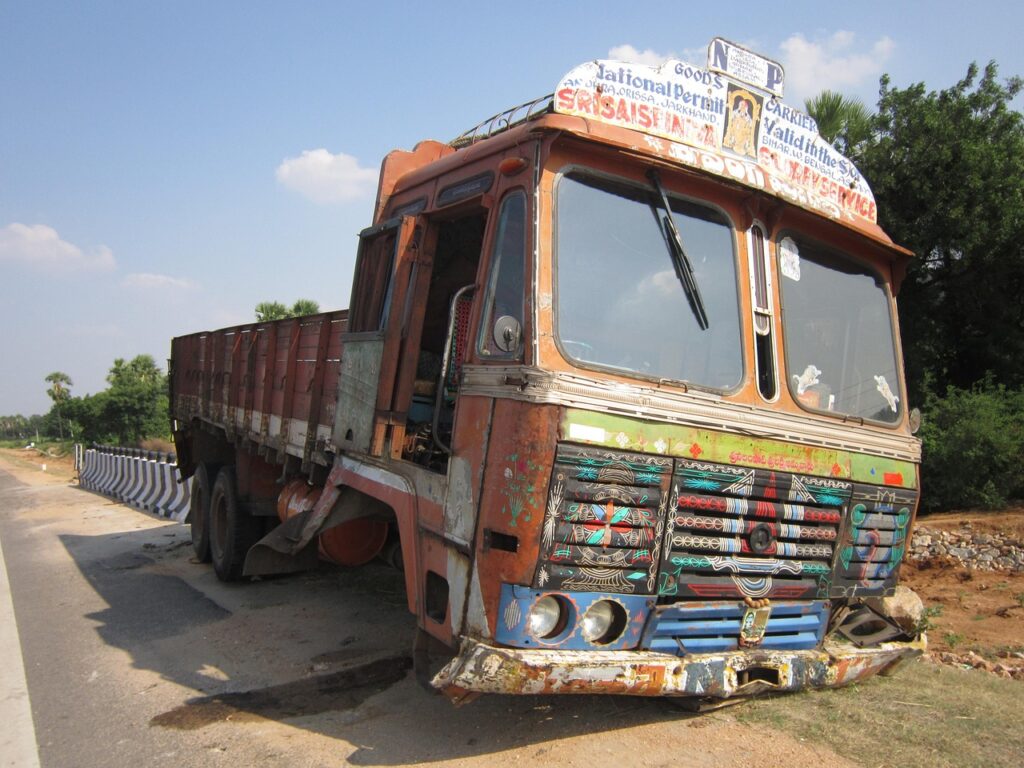
Hit by a Truck? What You Do in the First 48 Hours Can Change Everything
Being involved in a truck accident is a life-altering experience. The massive size and weight of commercial trucks mean injuries are often severe, property damage is extensive, and the legal implications are complex. Whether you were hit as a driver, passenger, pedestrian, or cyclist, what you do in the first 48 hours after the collision can drastically impact your health, legal rights, and financial recovery.
This guide walks you through the essential steps to take immediately after a truck accident and explains why those hours are so critical to your long-term outcome.
Understanding the Unique Nature of Truck Accidents
Why Truck Accidents Are Different from Car Accidents
Truck accidents differ significantly from typical vehicle crashes. Large trucks can weigh 20-30 times more than passenger cars, leading to catastrophic damage. Additionally, truck drivers and trucking companies are subject to federal regulations, including rest requirements, maintenance schedules, and weight limits. Violations of these regulations often contribute to serious crashes.
Because of these complexities, trucking accidents usually involve multiple parties: the truck driver, the employer, the insurance company, and sometimes even the truck manufacturer or loading company. That’s why your response immediately following a truck accident needs to be strategic and well-informed.
Step 1: Prioritize Safety and Medical Help
Call 911 Immediately
The first priority after a truck accident is safety. If you’re physically able, move yourself and others to a safe location away from traffic. Call 911 right away and report the accident. Police and emergency medical services (EMS) must be dispatched to the scene to assess injuries and create an official accident report.
Accept Medical Evaluation Even if You Feel “Fine”
Truck accident victims often experience shock or adrenaline surges that mask injuries. Internal bleeding, concussions, or spinal injuries may not present symptoms immediately. Getting checked by EMS at the scene or visiting an emergency room afterward is critical for both your health and for documentation that could support your legal claim.
Step 2: Document Everything at the Scene
Collect Evidence If It’s Safe
If you’re not severely injured and can do so safely, begin collecting evidence at the scene. Take photographs and videos of:
- Vehicle damage (yours and the truck’s)
- License plates and any company logos on the truck
- Road conditions, skid marks, and traffic signs
- Your injuries
- Any visible truck equipment failures (e.g., broken lights or tire damage)
Also, try to get contact information from any witnesses and note the name and badge number of the responding officer.
Don’t Talk About Fault
Do not admit fault, speculate about the cause of the crash, or say “I’m sorry” even casually. What you say can be used against you later in legal proceedings or insurance negotiations.
Step 3: Notify Your Insurance Company
Report the Accident Promptly
Most insurance policies require that you report an accident as soon as possible. Call your insurer and provide the basic facts. Avoid giving a detailed recorded statement without consulting an attorney. You can say you are under medical evaluation and will follow up with more information later.
Step 4: Consult a Truck Accident Lawyer
Legal Support Is Critical in Truck Accident Cases
Because truck accidents are governed by both state and federal laws, and because multiple parties may be liable, it’s essential to speak with a personal injury attorney who has specific experience in truck accident litigation. A lawyer will help preserve key evidence, communicate with insurance companies, and begin building a compensation case.
One important detail: commercial trucks often have black boxes (event data recorders) that store critical information such as speed, brake application, and hours of service. This data can be lost or overwritten if not preserved immediately. A lawyer can send a spoliation letter to the trucking company to prevent the destruction of evidence.
If you’re unfamiliar with the role of attorneys in injury claims, here’s a helpful overview on what a personal injury lawyer does and why their expertise matters in cases like these.
Step 5: Follow Through with Medical Treatment
Don’t Skip Follow-Ups or Therapy
After an initial medical evaluation, it’s crucial to follow your doctor’s instructions, attend follow-up appointments, and complete any recommended physical therapy. Not only is this vital to your recovery, but it also shows a clear connection between the accident and your injuries, which supports your legal case.
Failing to follow through with treatment can weaken your claim, giving insurers the argument that you weren’t hurt or that your injuries aren’t as serious as claimed.
Step 6: Preserve and Organize All Records
Keep a Post-Accident File
Truck accident claims can take months or even years to resolve. Having organized documentation is essential. Keep a file with:
- Police reports
- Medical records and bills
- Repair estimates and receipts
- Communications with insurers
- Photos from the scene
- Journal entries about pain levels and how your life has been affected
Step 7: Understand the Damages You Can Claim
More Than Just Medical Bills
A qualified attorney will help you pursue all possible damages, which may include:
- Medical expenses: current and future treatment
- Lost wages: including future lost earning capacity
- Pain and suffering: physical and emotional distress
- Property damage: to your vehicle and belongings
- Punitive damages: if the truck driver or company was grossly negligent
In some cases, truck companies may be liable for negligent hiring, improper training, or failure to maintain their fleet, opening the door to higher compensation.
Why Time Matters So Much
The First 48 Hours Set the Stage
The aftermath of a truck accident is chaotic, emotional, and painful. But it’s also a time when crucial evidence is fresh, memories are sharp, and legal rights are most vulnerable. Delay can result in:
- Loss of critical evidence (e.g., surveillance footage, vehicle logs)
- Missed deadlines for filing insurance claims or lawsuits
- Statements made to adjusters are being used to reduce or deny claims
Taking decisive, informed action in the first 48 hours can be the difference between receiving full compensation or struggling with lifelong financial and medical burdens.
When to Contact Skiber Law
If you or a loved one has been hit by a commercial truck, it’s imperative to have trusted legal guidance from the start. Firms like Skiber law specialize in truck accident cases and understand the urgency of early intervention. From preserving evidence to dealing with aggressive insurance adjusters, they help victims get the justice and compensation they deserve without added stress during an already overwhelming time.
Final Thoughts: You Don’t Have to Face This Alone
Truck accident victims often face physical pain, financial hardship, and emotional trauma. The legal path ahead may seem intimidating, but you don’t have to walk it alone. By taking smart steps in the first 48 hours, prioritizing medical care, documenting the scene, and connecting with the right legal team, you dramatically improve your chances of a successful recovery.