
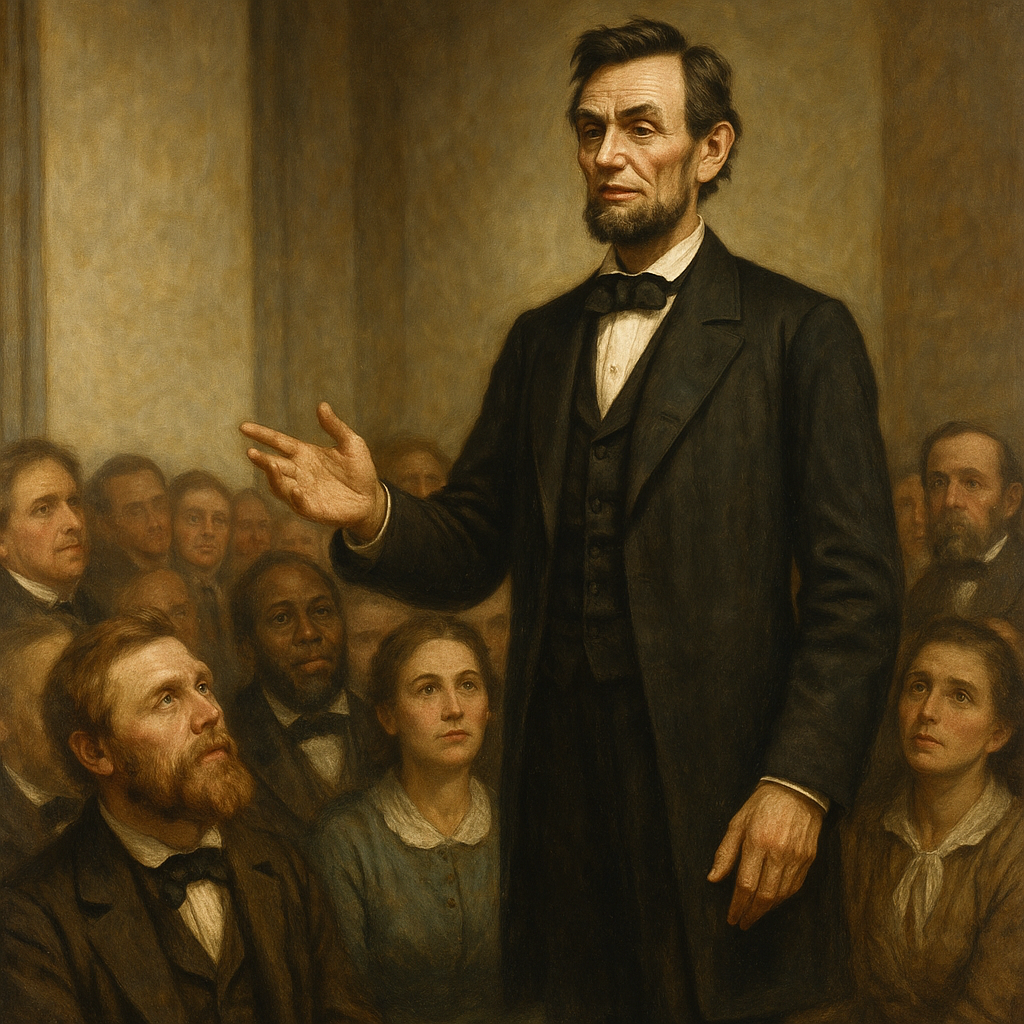
How Did Abraham Lincoln Change Society
Author: Brogen Jensen
How Did Abraham Lincoln Change Society?
Abraham Lincoln is often remembered for leading the United States through the Civil War. But his impact reaches far beyond military victory or political leadership. His actions changed American society at its core. He reshaped the country’s moral compass, redefined citizenship and freedom, and set the stage for the long journey toward civil rights. So, how did Abraham Lincoln change society? He did so by standing firm in his belief that all people deserve equal rights under the law—and by putting those beliefs into action when it mattered most.
Ending Slavery and Redefining Freedom
The most direct and lasting way Lincoln changed society was through the abolition of slavery. Before his presidency, slavery had existed for over two centuries in America. It was deeply rooted in the economy and culture of the Southern states. Many presidents before him had avoided confronting it directly.
Lincoln changed that. In 1863, he issued the Emancipation Proclamation, declaring all slaves in Confederate states to be free. While the proclamation didn’t end slavery everywhere immediately, it transformed the Civil War into a fight for human freedom, not just for Union preservation. It also paved the way for the 13th Amendment, which legally ended slavery in 1865.
This bold step shifted how Americans viewed freedom—not just as a political ideal, but as a moral right for all people.
Expanding the Meaning of Equality
Abraham Lincoln knew that the words in the Declaration of Independence—“all men are created equal”—applied to everyone. His famous Gettysburg Address in 1863 gave new life to this idea. He called for a “new birth of freedom” that would bring the nation closer to its founding principles.
This speech wasn’t just a reflection of the past. It was a call to action. Lincoln’s words inspired generations to push for justice, from the civil rights movement of the 1960s to today’s ongoing fight for equality.
Through his leadership, Abraham Lincoln redefined what it meant to be an American. He argued that freedom and equality weren’t just goals—they were obligations.
Preserving the Union and Democracy
In addition to fighting slavery, Lincoln’s presidency was also about saving the Union. When several Southern states seceded from the U.S., Lincoln didn’t accept their departure. He believed in the strength and unity of a single nation. His decision to go to war was not taken lightly. But he believed that keeping the Union together was essential for preserving democracy itself.
This belief laid a foundation for a stronger federal government—one that could protect the rights of its citizens while upholding the Constitution. Without Lincoln, the United States might have fractured permanently into separate nations.
A Lasting Legacy
How did Abraham Lincoln change society? He created a more just, united, and morally grounded America. By abolishing slavery, expanding freedom, and defending democracy, he became more than just a wartime president—he became a symbol of national progress.
Today, his legacy is seen in the continued fight for equality under the law. Schools, memorials, and museums across the country honor his work. His speeches and writings are studied for their wisdom and clarity. His vision still guides us in times of challenge.
If you want to learn more about the impact of Abraham Lincoln and how his leadership continues to shape our nation, visit BringBackLincoln.com.
Sources:
- Lincoln at Gettysburg by Garry Wills
- The Fiery Trial by Eric Foner
- National Archives – Emancipation Proclamation
- Library of Congress – Abraham Lincoln Papers
- Abraham Lincoln Presidential Library & Museum