
How to Spot and Report Mold After a Leak
A leak — whether from a burst pipe, a roof failure, or an appliance malfunction — rarely causes damage that stops the moment the water stops flowing. Moisture seeps into walls, floors, and ceilings, creating the perfect environment for mold to take hold. Knowing how to identify it early and report it properly can protect both your health and your property.
Why Mold Grows So Quickly After Water Damage
Mold doesn’t need much to thrive. Warmth, moisture, and an organic surface are all it takes. After a leak, these conditions are almost always present. Development can begin within 24 to 48 hours of water exposure, often before the mold damage is even fully visible to the naked eye.
This is what makes post-leak mold particularly dangerous — it hides. It grows behind drywall, beneath flooring, and inside ceiling cavities. By the time you smell it or see discoloration, it may already have spread significantly.
How to Spot Mold After a Leak
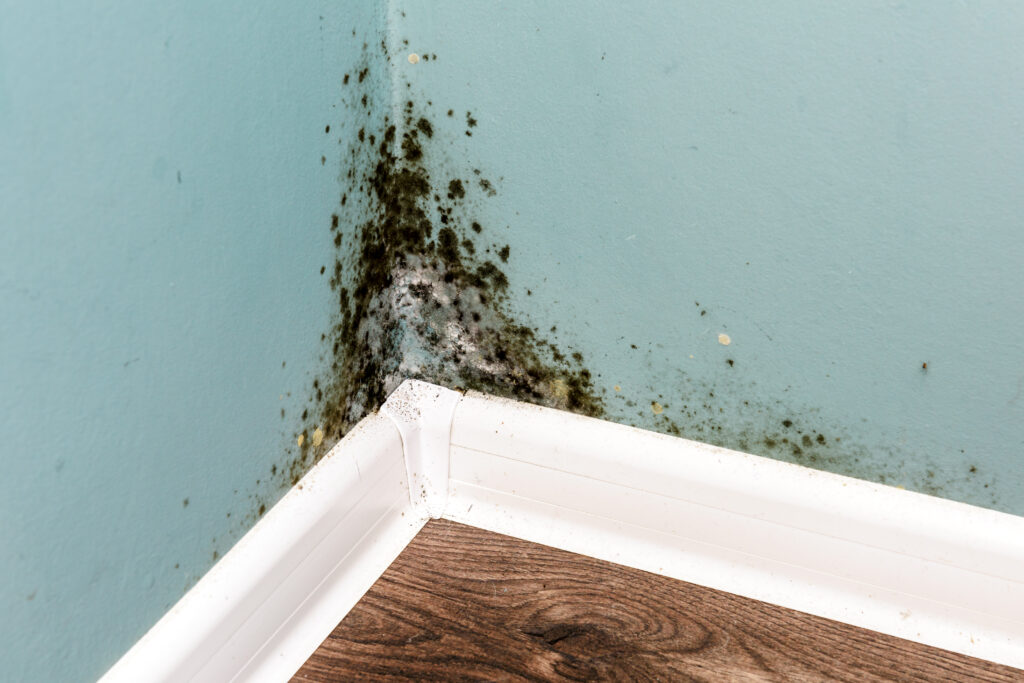
Look for visible discoloration. Mold appears in a range of colors — black, green, white, or even orange. Any unusual spotting or staining on walls, ceilings, or floors following a leak deserves a closer inspection.
Trust your nose. A persistent musty or earthy odor is one of the earliest and most reliable indicators of hidden mold. If a room smells off even after it appears dry, take it seriously.
Check high-risk areas first. Bathrooms, basements, under sinks, behind washing machines, and around water heaters are prime locations. After a leak, also examine the areas directly adjacent to the damage — mold often migrates beyond the original source.
Look for physical changes to surfaces. Bubbling paint, warped baseboards, soft drywall, and buckled flooring can all signal moisture trapped beneath the surface where mold may be growing.
Monitor your health. Symptoms like persistent sneezing, coughing, eye irritation, or headaches that improve when you leave a space could indicate mold exposure — especially in areas recently affected by water damage.
How to Report Mold Effectively
Once you suspect mold, documentation is everything. Before touching or disturbing anything, take clear photographs and videos of the affected areas. Note when the leak occurred and how long the area was exposed to moisture.
If you rent your home, notify your landlord or property manager in writing immediately. Many jurisdictions hold landlords legally responsible for addressing mold caused by structural issues or maintenance failures. Keep copies of all correspondence.
If you own your home, contact your insurance provider as soon as possible. Review your policy carefully, as coverage for mold varies widely. File your claim promptly and provide all documentation of the original leak and any resulting damage.
Regardless of ownership, consider requesting a professional mold inspection. Certified inspectors can identify mold in areas you cannot see and provide written reports that are valuable for insurance claims and remediation planning.
Don’t Attempt Major Remediation Yourself
Small surface mold on non-porous materials may be manageable with appropriate cleaning products. However, mold covering a significant area, or mold that has penetrated porous materials like drywall or insulation, requires professional remediation. Disturbing large mold colonies without proper containment can spread spores throughout your home and worsen the problem considerably.
Stay Ahead of the Problem
The key to managing mold after a leak is speed. Act quickly, document thoroughly, and don’t assume the problem has resolved itself simply because the water is gone. Mold is patient — but catching it early gives you the upper hand.