
How to Troubleshoot Common HVAC Problems
When your heating or cooling system stops working as it should, your home can quickly become uncomfortable. While some issues need professional HVAC installation or repair, you can often diagnose and fix many common problems yourself. Knowing what to check first can save you time, money, and frustration.
Start with the Thermostat
The thermostat is often the root of many HVAC issues. Make sure it’s set to the correct mode (heat or cool), with the temperature set as desired. If the screen is blank or dim, replace the batteries. It’s also worth cleaning the thermostat with a soft brush or compressed air to remove dust, as buildup can affect sensors.
Air Filter Issues
A dirty or clogged air filter is a frequent cause of HVAC problems. Filters should be checked every 1-3 months, especially if you have pets or allergies. If you can’t see light through the filter, it’s time to replace it. Use the correct size and install it with the airflow arrow facing the correct direction. Clean filters protect equipment, improve airflow, and help your unit run efficiently.
Check Power and Electrical Connections
First, ensure your system is receiving power. Check your electrical panel for tripped circuit breakers and reset them if needed. Make sure that both the indoor air handler and outdoor unit switches are in the “on” position—they may have been turned off during cleaning. Older systems may have fuses instead of breakers; replace any blown fuses with the same amperage type.
Address Airflow and Ductwork
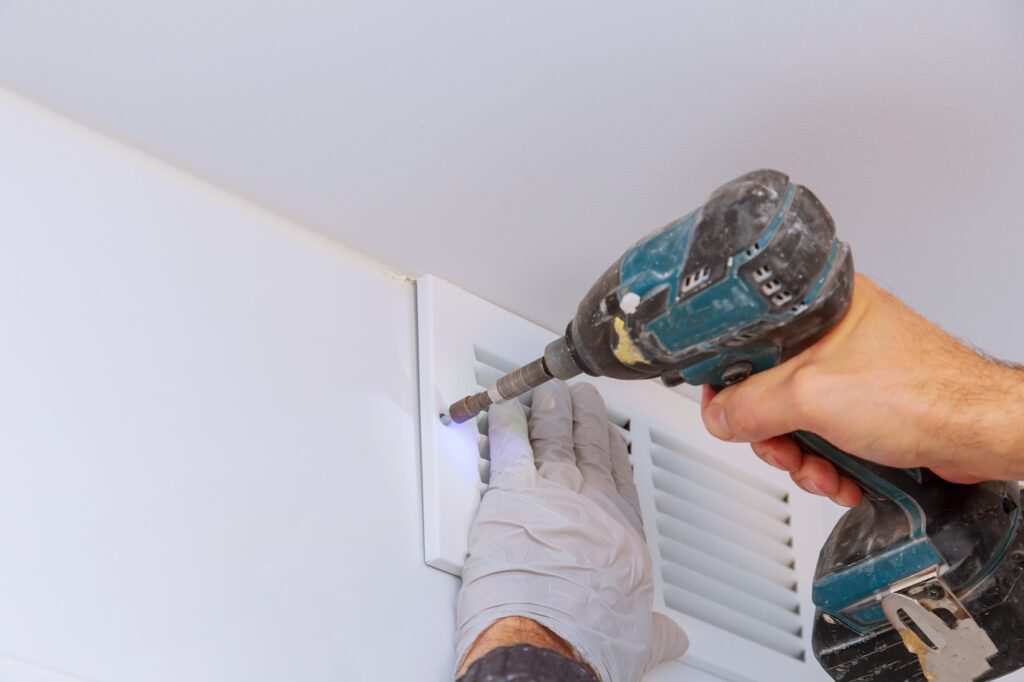
If you notice weak airflow or uneven temperatures, check all vents and registers to ensure they’re open and clear of obstructions like rugs or furniture. Clean dust or debris from vent covers with a vacuum. Listen for unusual noises from the ducts—rattling or whistling may mean loose or damaged ductwork. You can use mastic sealant or duct tape for small leaks, but larger issues need professional help.
Maintain the Outdoor Unit
Your outdoor condenser must be kept clear of debris for efficient operation. Trim plants and clean away leaves or grass clippings, leaving about two feet of clearance on all sides. Clean the coils by spraying from the inside out with a garden hose (after turning off power). Be careful to avoid damaging the fins. If you see ice buildup, shut off the system and let it thaw before restarting. Consistent ice may indicate airflow or refrigerant problems.
Recognize When to Call a Professional
Some HVAC issues aren’t DIY-friendly. Refrigerant leaks require a certified technician (signs include hissing noises or ice on coils). Complex electrical problems, like faulty wiring, are best left to experts to avoid safety hazards. If you have a gas furnace and notice pilot light issues, gas smells, or other combustion problems, call a professional immediately—never attempt gas repairs yourself.
Preventive Maintenance Tips
Regular maintenance helps prevent many common HVAC issues. Schedule a professional tune-up at least once a year, preferably before peak cooling or heating seasons. Maintenance checks catch small problems early, improve efficiency, and extend your system’s lifespan.
Remember to:
- Change your air filter as recommended.
- Clear debris from outdoor units regularly.
- Address small issues quickly to prevent bigger repairs.
Final Thoughts
By following these troubleshooting steps, you can resolve many HVAC issues on your own and keep your system running smoothly. Understanding the basics not only saves money but also helps you communicate more effectively with professionals when you do need help. If you encounter serious issues or don’t feel comfortable making repairs, don’t hesitate to contact a licensed HVAC technician. Regular maintenance, prompt action, and knowing when to call in the pros will ensure your home stays comfortable year-round.