
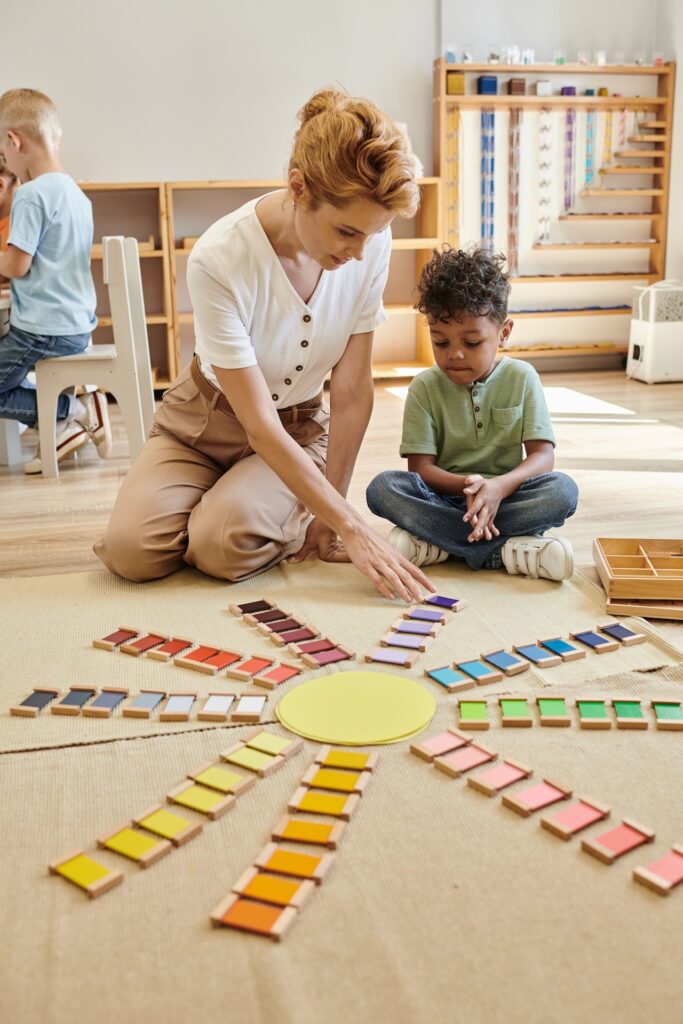
Beyond Drop-Off: What Makes a Truly Supportive Early Learning Environment
When we think of early childhood education, the obvious considerations like curriculum, facilities, and teacher qualifications often spring to mind. However, truly supportive early learning environments go beyond structured activities or engaging lesson plans. They create spaces where children feel secure, valued, and empowered to explore their fullest potential. Let’s delve deeper into what really defines a supportive early learning environment.
Emphasizing Emotional Security
The cornerstone of any successful early learning environment is emotional security. Young children experience substantial cognitive and emotional growth during their early years, making it essential for them to feel safe and supported. A supportive environment fosters trust and reassurance, allowing children to form secure connections with their peers and educators.
This means educators must build meaningful relationships with students, showing genuine care and interest in their individual development. It’s not just about addressing misbehavior or correcting wrong answers but celebrating achievements, encouraging questions, and validating feelings.
Encouraging Curiosity through Play
Play is the language of childhood. Exploration, experimentation, and problem-solving happen naturally when young minds are engaged in play. A well-rounded early learning environment prioritizes play as a means of self-expression and skill-building.
While structured activities have their benefits, balance is key. Providing children with the freedom to choose activities within a safe and stimulating environment promotes autonomy and creativity. Incorporating sensory-focused activities, outdoor exploration, and collaborative games not only boosts engagement but lays the groundwork for lifelong learning.
Intentional Classroom Design
A classroom isn’t just a space; it’s an ecosystem that drives discovery and interaction. Thoughtful classroom design considers both the physical and emotional needs of children. Open layouts, accessible materials, and visually soothing decor can make a world of difference.
Additionally, specific zones for activities like reading, art, science, and construction promote focused learning while fostering independence. Each child, whether introverted or extroverted, should find a space that feels welcoming and conducive to their individual preferences and needs.
The Role of Communication
One of the defining features of a supportive environment is how communication flows. This involves clear, respectful interactions between educators and children. Listening intently to what children have to say conveys that their thoughts and feelings are valid.
Moreover, parental engagement is a pillar of successful communication. Regular updates, collaborative goal-setting, and open two-way discussions between teachers and parents ensure that learning doesn’t end when the child leaves the classroom. It creates consistency and further reinforces a sense of belonging for the child.
Fostering Inclusivity and Diversity
Diverse and inclusive classrooms provide children with a foundation for empathy and understanding. Celebrating differences—whether in culture, abilities, or interests—helps children learn to appreciate uniqueness and collaborate meaningfully with others.
Supportive environments actively counter bias and ensure that every child feels seen and heard. From books and toys that reflect a range of backgrounds to equitable opportunities for participation, diversity must be woven into the fabric of early learning experiences.
Cultivating Lifelong Resilience
Beyond academics, a truly supportive early learning environment equips children with the tools to navigate life. Problem-solving, adaptability, and emotional intelligence are critical skills that influence their future success. Teaching children how to cope with challenges—whether it’s through gentle guidance or modeling self-regulation—lays the foundation for resilience.
Additionally, promoting a growth mindset encourages children to embrace mistakes as learning opportunities. These environments teach kids not to fear failure but to view it as a stepping stone toward personal growth.
Conclusion
A supportive early learning environment is one where children feel emotionally secure, encouraged to explore, and free to express themselves. It’s not about flashy gadgets or overcrowded schedules; it’s about creating intentional spaces where every child can thrive. By combining emotional support, inclusive practices, and a robust foundation for exploration, educators can foster environments that set children up for a lifetime of growth, curiosity, and success.